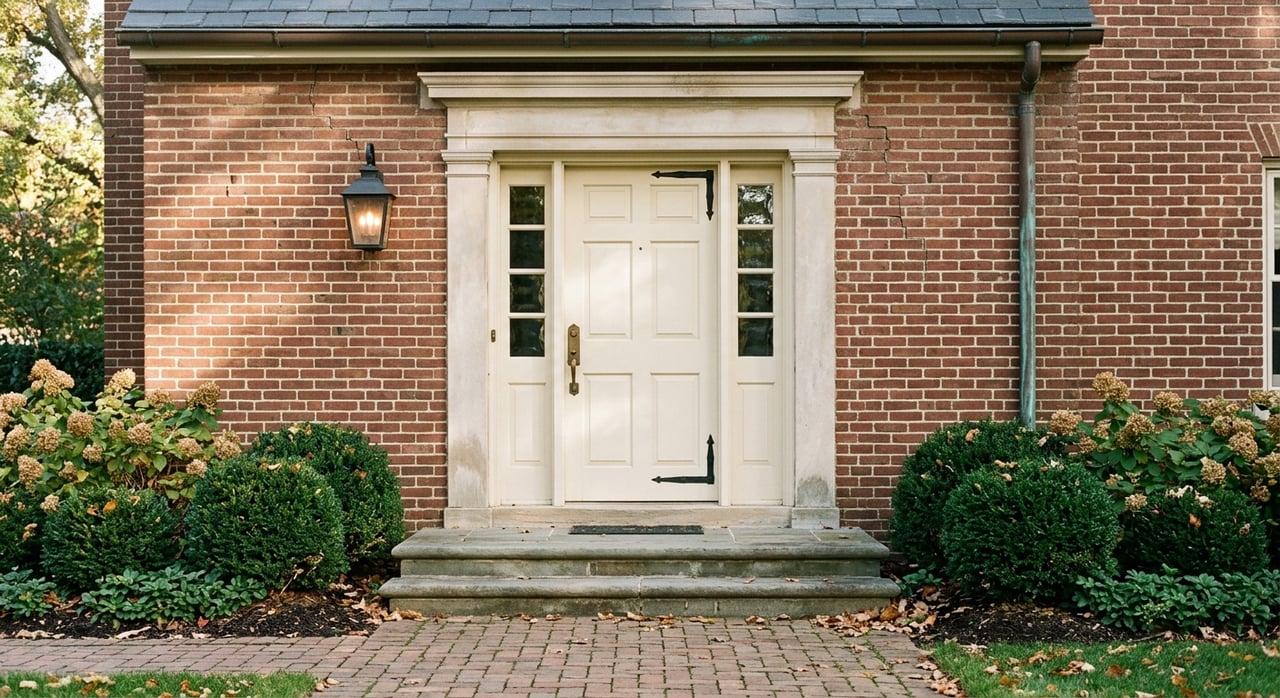
Dreaming about a home with real history behind its front door? In Bernardsville, that can mean far more than an old house with charm. It can mean distinctive architecture, a strong sense of place, and a buying process that requires a little more care than a typical home search. If you are considering buying a historic home in Bernardsville, this guide will help you understand what “historic” really means here, what to watch for, and how to make a smart move with confidence. Let’s dive in.
What “Historic” Means in Bernardsville
In Bernardsville, a historic home is not defined by one simple age cutoff. Locally, the idea of “historic” is tied to age, architectural character, and formal recognition within the borough or county. The borough’s Historic Preservation Advisory Committee has identified more than 100 historic structures and has supported preservation efforts such as the Olcott Avenue Historic District and the broader Somerset Hills Country Place Era theme.
That means Bernardsville’s historic housing stock spans a wide range of eras. Local examples include mid-18th-century buildings, 19th-century adapted homes, and early-20th-century residences and districts. In other words, if you are shopping for a historic home here, you could be looking at anything from an early farmhouse to a Colonial Revival, Tudor Revival, Craftsman, or Shingle-style property.
Why Bernardsville Historic Homes Stand Out
Historic homes in Bernardsville often feel different from newer construction because they were built in a different pattern and with a different design language. Borough materials describe the older historic core as having a village-like character, with buildings closer to the street and a stronger connection between architecture and streetscape.
You may also notice features that are less common in newer homes. These can include original exterior materials, porches, sloped rooflines, more segmented floor plans, and details that reflect the home’s period. For many buyers, that is exactly the appeal.
Local examples of historic character
Bernardsville offers a helpful snapshot of the styles and periods that shape its identity. County sources point to landmarks and districts such as:
- Bernardsville Train Station, dating to 1901–1902
- John Parker Tavern, a mid-18th-century crossroads tavern
- Reynolds-Scherman House, with 18th- or early-19th-century origins and later remodeling
- Saint Bernards Church and Parish House, dating from 1897 to 1913
- Olcott Avenue Historic District, known for early-20th-century Colonial Revival, Tudor Revival, Craftsman, and Shingle-style homes
These examples show that Bernardsville history is layered, not one-note. That variety is part of what makes the local market so interesting for buyers who want a home with personality.
What to Expect During Your Search
Buying a historic home usually requires a slightly different mindset than buying a newer property. Instead of focusing only on finishes and square footage, you also need to think about condition, maintenance history, and how past updates may have affected the home’s original character.
A beautiful old home can be wonderfully livable, but the key question is often how well its systems and materials have been maintained over time. A home with preserved detail and thoughtful upgrades may be a very different opportunity than one that needs major work behind the walls.
Look beyond surface charm
Historic homes can be emotionally compelling, which is part of their appeal. Still, it is important to look closely at practical issues before you fall in love with the architecture.
Pay special attention to:
- Overall maintenance history
- Condition of older windows, doors, and painted surfaces
- Signs of deferred repairs
- Whether updates appear compatible with the home’s original style
- The likely scope of future renovation needs
Lead Paint and Older Materials
If the home was built before 1978, lead-based paint is an important consideration. According to EPA guidance, homes from that period are more likely to contain lead-based paint, and deteriorating paint, dust, and friction surfaces such as windows and doors can create hazards.
Buyers of most pre-1978 homes have the right to receive lead disclosure information, review available records, and inspect for lead hazards before signing. If you are considering a historic Bernardsville home from that era, this should be part of your due diligence from the beginning.
Renovation can add complexity
If renovation or repair work will disturb painted surfaces in a pre-1978 home, lead-safe requirements may apply. EPA guidance says firms performing that type of work must be EPA- or state-certified and follow specific lead-safe practices.
For you, that means the real cost of updating a historic home may be higher than the visible project list suggests. It is smart to budget not only for design and construction, but also for proper handling of older materials.
Renovating Without Losing Character
One of the biggest decisions you may face is how to update a historic home for modern living. The goal is usually not to freeze the property in time. Instead, the best results often come from solving functional issues while keeping the features that give the home its identity.
Preservation guidance from the National Park Service describes rehabilitation as a common approach for historic properties, allowing contemporary use while maintaining historic character. In practical terms, that can mean improving comfort and function without stripping away the details that made you want the house in the first place.
Smart questions to ask before updating
Before you plan changes, consider asking:
- Which features are original or character-defining?
- What has already been altered?
- Which updates are repairs, and which are design changes?
- Will the work affect exterior facades or historic features?
- Do you need preservation-aware contractors or specialists?
For buyers in Bernardsville, this matters even more because local review and zoning steps can affect what is possible.
Permits and Preservation Review in Bernardsville
This is one of the most important parts of buying a historic home in Bernardsville. The borough’s zoning department states that many home projects require a zoning permit first, even before a construction permit. The New Jersey Department of Community Affairs also notes that local construction officials issue building permits for new construction, additions, and alterations.
That means even changes that seem routine may involve more than one municipal step. If you are planning updates, it is wise to learn the process early rather than after closing.
How the Historic Preservation Advisory Committee fits in
Bernardsville’s borough code adds a preservation review layer for certain properties. The Historic Preservation Advisory Committee prepares surveys of historic sites, advises the Planning Board and Board of Adjustment, and receives referrals for development applications involving historic preservation districts or historic sites identified in the master plan.
The code also states that permit applications pertaining to historic sites are referred to the committee for an advisory report to the Construction Official. The committee is advisory, not the final decision-maker, but its role can still affect project timing and design choices.
Downtown properties need extra attention
If the home is in or near the downtown core, local standards become especially important. Borough zoning materials say demolition of structures deemed historic is strongly discouraged, and exterior facades and character-defining features should be preserved at a minimum.
New construction and additions are also expected to fit the historic context. So if you are buying with plans to expand or substantially alter a property, you will want a clear understanding of the local framework before moving forward.
Historic Listing vs Local Regulation
This is a point many buyers understandably confuse. Listing in the New Jersey or National Registers of Historic Places does not by itself restrict a private property owner’s rights, according to the New Jersey Historic Preservation Office.
However, municipal zoning can still regulate what is allowed. In Bernardsville, local rules and review processes are often the more immediate factor for a buyer who wants to renovate, add on, or change exterior features.
The Value of Buying Historic
The value of a historic home in Bernardsville is not just about age. It is often about scarcity, architectural identity, and the sense of place that comes with a property tied to the borough’s built history.
For many buyers, that appeal is hard to replicate in newer construction. A well-maintained historic home can offer authenticity and design details that feel deeply connected to Bernardsville itself.
The trade-off to understand
That value usually comes with more responsibility. Historic homes often require more careful inspections, more planning before renovation, and more coordination with contractors who understand older properties.
In Bernardsville, that trade-off is especially relevant in the downtown core and around recognized historic sites. The right buyer sees that not as a drawback, but as part of the ownership experience.
What incentives are available?
It is important to keep expectations realistic. The federal 20% historic rehabilitation tax credit applies only to certified historic structures used for income-producing purposes, not owner-occupied residences.
The New Jersey Historic Preservation Office notes that Register-listed properties may be eligible for certain state, county, or local grants. However, Somerset County’s Historic Preservation Grant Program is aimed at county and municipal governments and 501(c)(3) nonprofits for qualifying listed or eligible properties. For most single-family buyers, incentives are limited and should not be the main reason to purchase.
How to Buy More Confidently
If you are serious about buying a historic home in Bernardsville, preparation matters. The more clearly you understand the home’s condition, local review process, and update potential, the better positioned you will be to make a strong decision.
A thoughtful buying strategy often includes:
- Reviewing the home’s age, style, and known history
- Understanding whether the property is a recognized historic site or in a historic district
- Asking detailed questions about prior renovations and maintenance
- Planning for zoning and permit review before future projects
- Budgeting for preservation-aware repairs or improvements
- Working with professionals who understand older homes and Bernardsville’s local process
Historic homes can be incredibly rewarding to own, but they reward buyers who do their homework.
If you are weighing whether a historic Bernardsville home is the right fit, local guidance can make the process much clearer. At Hope Salamone Homes, you can get thoughtful, locally informed support as you evaluate character, condition, and long-term potential in this unique market.
FAQs
What counts as a historic home in Bernardsville?
- In Bernardsville, a historic home is generally defined by a mix of age, architectural character, and formal recognition, rather than one specific age cutoff.
Do Bernardsville historic homes face extra permit review?
- Yes. Many projects require zoning review before construction permits, and permit applications related to historic sites may be referred to the borough’s Historic Preservation Advisory Committee for an advisory report.
Are lead paint concerns common in older Bernardsville homes?
- They can be, especially in homes built before 1978, since those properties are more likely to contain lead-based paint according to EPA guidance.
Can you renovate a historic home in Bernardsville?
- Yes, but the scope and design of updates may be affected by local zoning, permit requirements, and preservation expectations, especially for exterior changes or properties in historic areas.
Do owner-occupied historic homes in Bernardsville qualify for the federal historic tax credit?
- No. The federal 20% historic rehabilitation tax credit applies to certified historic structures used for income-producing purposes, not typical owner-occupied residences.
Is buying a historic home in Bernardsville worth it?
- For many buyers, yes, especially if you value architectural character, scarcity, and a strong sense of place and are prepared for the added care these homes often require.