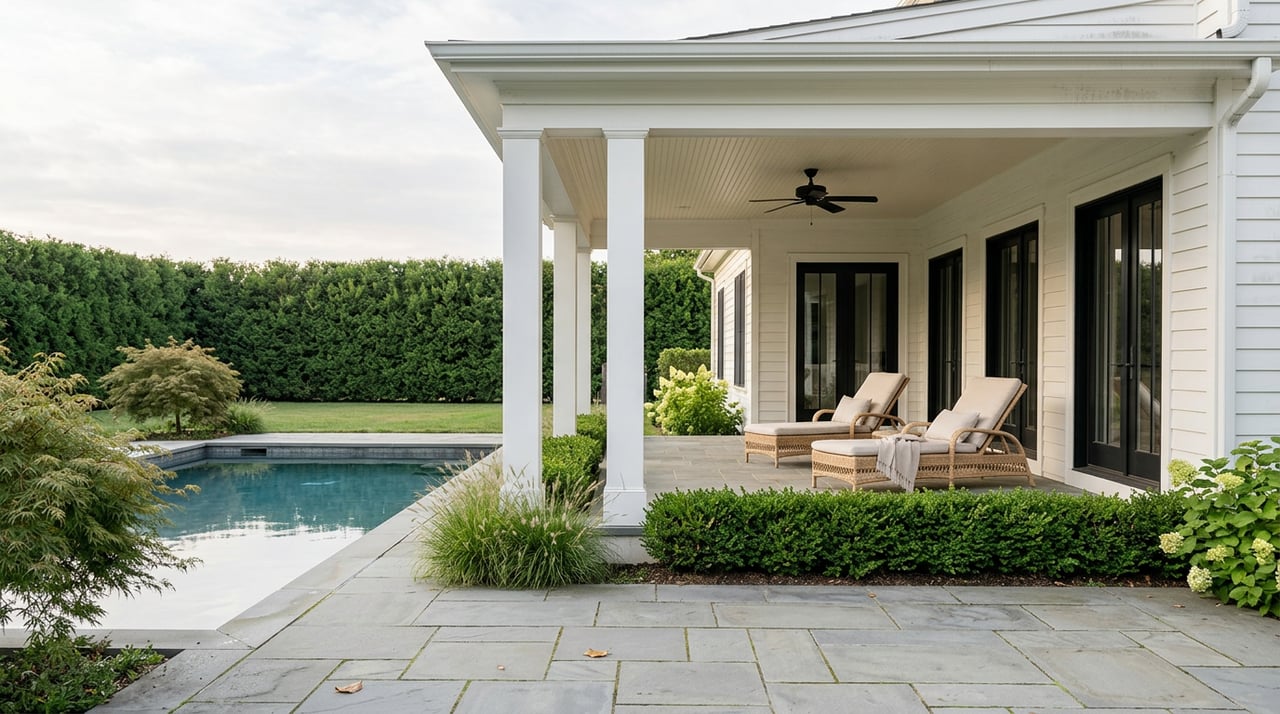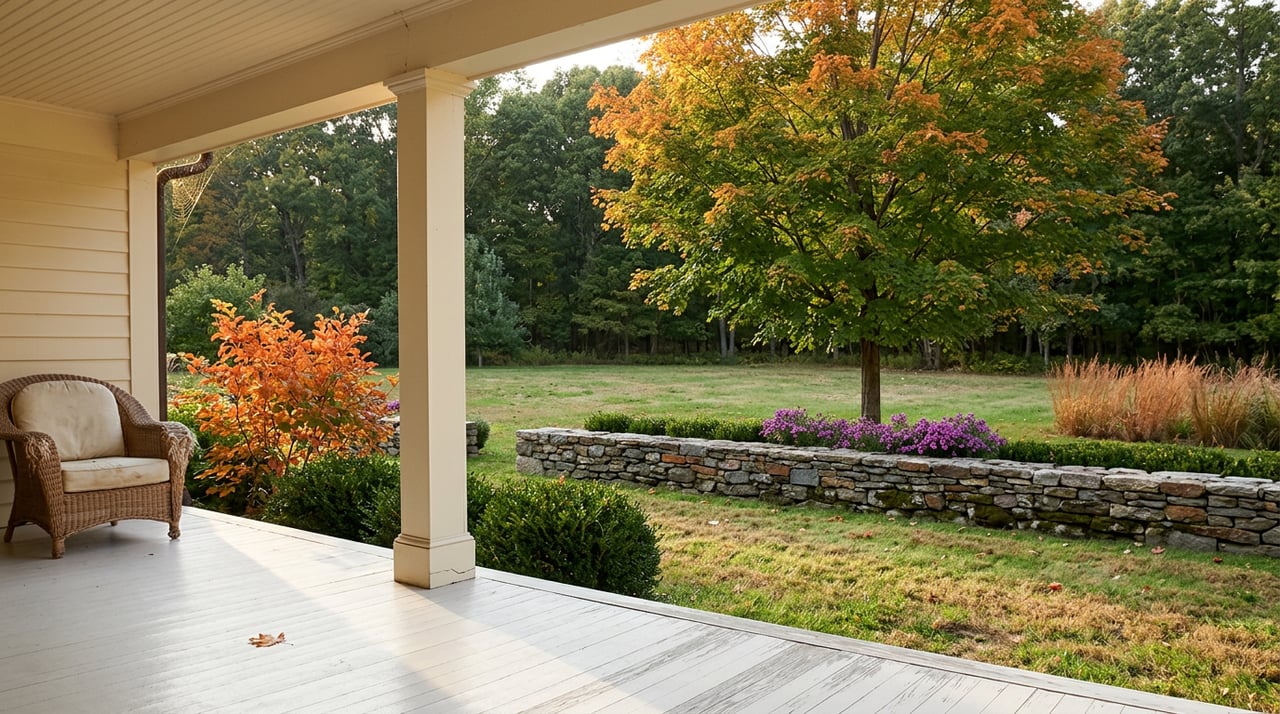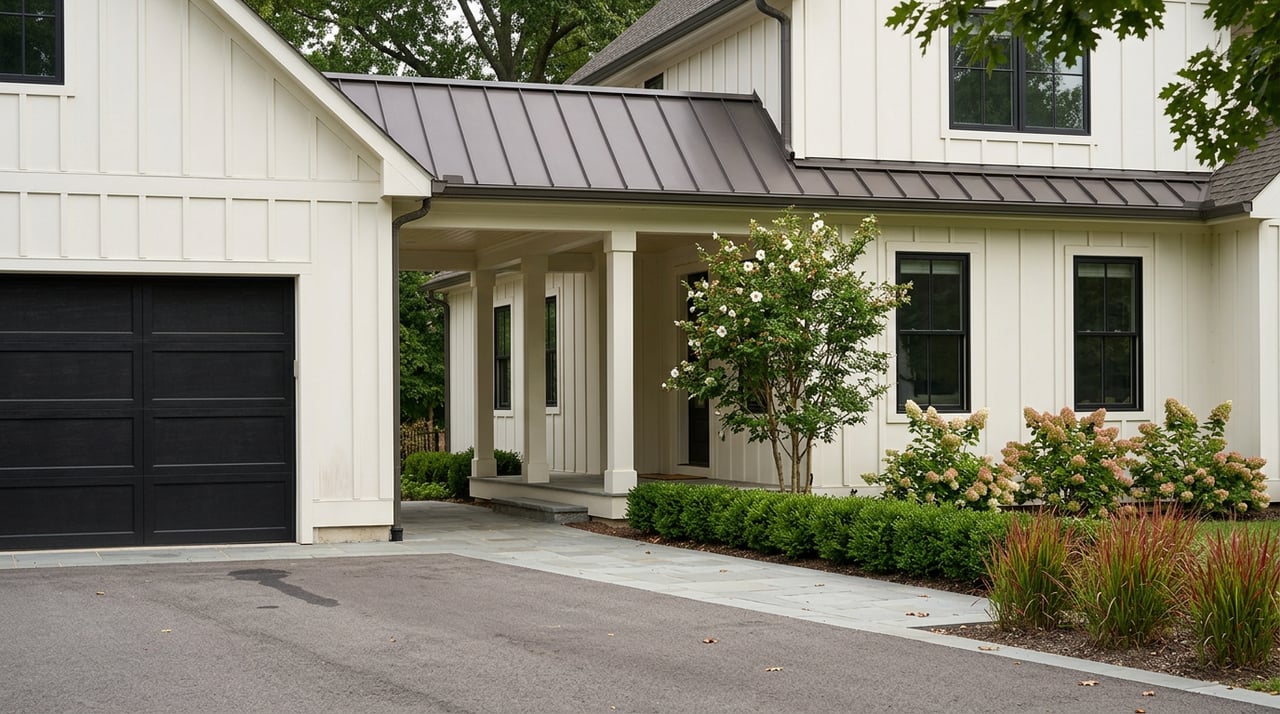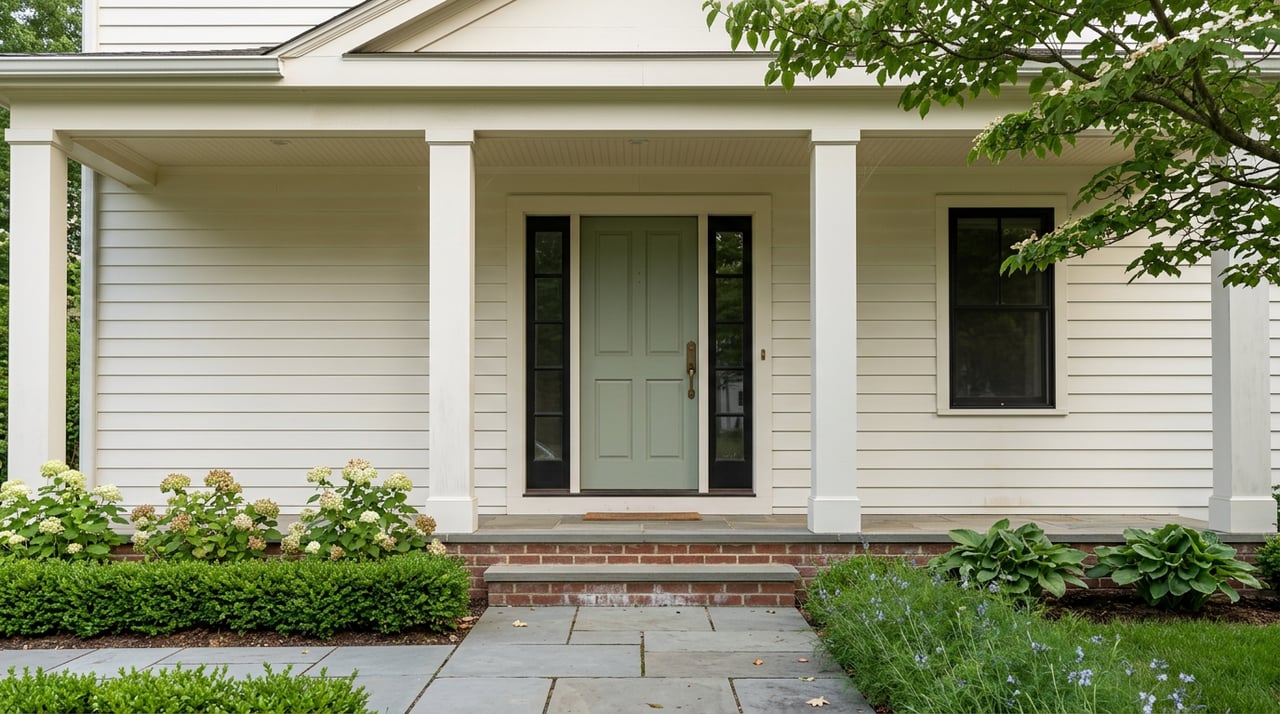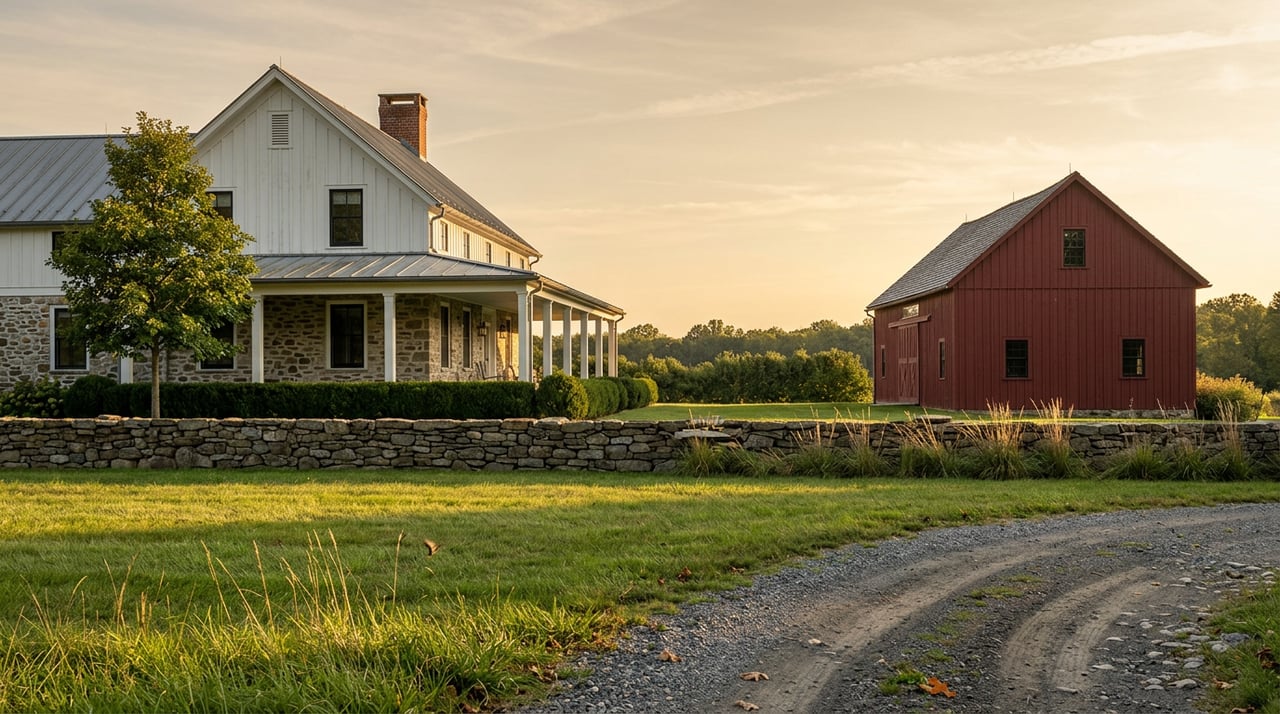
What if the property tax line on that eleven-acre listing off Hollow Brook Road isn't a fixed number at all, but a bet the current owner has been placing every year, one you'll either keep making or lose the moment you close?
That's the part almost nobody walks a buyer through before they fall for a Tewksbury Township farmhouse with a barn, a paddock, and a tax bill that looks too good to be true. It usually is true, for now. Whether it stays true depends less on the deed you sign than on what you do with the land after you sign it.
The Number On The Listing Sheet Is A Status, Not A Price
Tewksbury is Hunterdon County horse country, five villages, Oldwick, Fairmount, Mountainville, Cokesbury, and Pottersville, spread across just over 31 square miles where sharing the road with a horse is routine enough that local guidance still reminds drivers to slow to 5 mph. A meaningful share of the acreage that makes this place feel the way it does carries New Jersey's Farmland Assessment, a program that lets qualifying land be taxed on its agricultural productivity value instead of its market value. That's why a 20-acre parcel can show an annual bill in the low thousands instead of tens of thousands.
That number on the listing sheet isn't a discount attached to the property forever. It's a status the land holds only as long as it keeps meeting the state's farming test, and the test resets every year.
How Land Earns That Status
The qualifying rules are specific, and they apply to the land, not the house sitting on it:
- At least 5 contiguous acres devoted to agricultural or horticultural use for two consecutive years before the tax year in question
- Gross sales of at least $1,000 per year for the first 5 acres, plus $5 for each additional acre
- Woodland under an approved management plan needs at least $500 per year for the first 5 acres, plus 50 cents per additional acre
- The paperwork, Form FA-1 and, where woodland applies, Form WD-1, has to be filed with the municipal tax assessor by August 1 of the year before the tax year
For a lot of Tewksbury's equestrian properties, that gross sales requirement gets met through boarding, training, or rehabilitation fees paid to keep horses on the property. One detail that trips people up during due diligence: rent paid by a tenant farmer doesn't count toward that threshold. The income has to come from something the land itself produced or from a horse operation run on it, not from leasing the acreage to someone else who farms it.
What Actually Triggers The Bill You Didn't See Coming
Here's the mechanism that matters most to anyone touring a farmland-assessed property with an offer in mind. The liability for a rollback tax attaches to the land when its use changes, not when its ownership changes. A sale by itself doesn't trigger anything. A new owner who keeps the pastures grazed and the boarding invoices flowing simply inherits the same low assessment the seller had.
The bill shows up the moment that use stops. Clear five acres of paddock for a pool and a guest house, stop boarding horses without replacing that income another qualifying way, or let the land sit idle, and the township is required to calculate what you would have paid without the farmland assessment for the year the change happens plus the two tax years before it, then bill you the difference.
Consider a hypothetical often used to explain the exposure: a 20-acre parcel taxed at $1,500 a year under farmland assessment instead of roughly $25,000 at full market value can generate a retroactive bill, covering three years of that gap, that easily clears $70,000. In a market where Tewksbury acreage properties routinely list in the seven figures, that isn't a rounding error in a closing statement. It's a number worth pricing into your plans before you make an offer, not after you've moved the fence line.
The Law Changed In January. Here's What It Changes For You.
Governor Murphy signed the Farmland and Woodland Tax Assessment Integrity and Investment Act on January 14, 2026, the most significant overhaul to this program in years. The practical differences for a Tewksbury buyer or seller:
| Filing detail | Before the 2026 law | Starting with Tax Year 2027 |
|---|---|---|
| Municipal inspection fee | Towns could charge a fee for on-site inspection | Municipalities can no longer charge that fee |
| Misrepresentation penalty | Flat fines | $5,000 for a first offense, up to $20,000 for a third and beyond |
| Application process | Paper FA-1 and WD-1 forms filed with the assessor | Online portal, $100 per parcel, replacing the paper filings |
| Income thresholds | Fixed dollar minimums | Subject to periodic review and adjustment by the State Farmland Evaluation Committee |
The law also adds a State Forester and a consulting forester to the Farmland Evaluation Committee and requires that committee to file annual reports to the Governor and Legislature. One state senator noted earlier this year, while the bill was advancing through the Senate, that more than 37,000 properties statewide carried farmland assessment at the time, a scale that's part of why lawmakers pushed for tighter enforcement rather than leaving the program as it stood.
The Division of Taxation confirmed in December 2025 that the online portal was still in testing, with a target launch this year for Tax Year 2027 filings. None of this changes the rollback tax formula itself. What it changes is the level of scrutiny a filing gets and the cost of getting it wrong, which matters a great deal if you're the new owner inheriting a farmland-assessed parcel and planning to keep filing that FA-1 every August.
What This Looks Like On The Ground In Tewksbury
Tewksbury's Tax Assessor, Nicole Izzo, is the person whose office reviews these filings and would field a rollback determination if a property's use changes. Her office keeps hours Monday evenings and Saturday mornings, and the township's own site links directly to the farmland assessment guidance a buyer should read before waiving a due diligence contingency.
Listings in this market often mention acreage that adjoins land preserved through the Tewksbury Land Trust, which was still actively acquiring open space as recently as late 2025, including a 12-acre addition to its 100 Acre Wood property. That adjacency is a genuine amenity, quiet neighbors and permanent views, but it says nothing about whether the parcel you're buying carries its own farmland assessment or has ever been inspected under it. Those are two different questions, and only one of them shows up in the marketing copy.
The same logic applies to properties near Whittemore in Oldwick, with its 11 miles of trails, or within reach of Mane Stream, the equine therapy nonprofit whose boarding and program fees are the kind of legitimate equine income that can satisfy the gross sales test. Proximity to a well-known equestrian landmark doesn't tell you anything about a specific parcel's filing history. Only the assessor's file does.
Questions Worth Asking Before You Write An Offer
- Is the parcel currently farmland assessed, and if so, under which category, cropland, woodland, or equine?
- What has generated the qualifying gross sales for the past two years, and does that income source survive a change in ownership?
- Has the assessor's office conducted a recent field inspection, and are there notes on file about current use?
- If your plans include a pool, an addition, a tennis court, or ending a boarding arrangement, has anyone calculated what the rollback exposure would be for the specific acreage involved?
- Will you be filing FA-1 through the new online portal once it launches for Tax Year 2027, and have you budgeted for the $100 per parcel fee?
FAQ
Does farmland assessment automatically transfer to a new owner? The assessment status stays with the land as long as the use doesn't change, but the new owner is the one who has to keep filing FA-1 by August 1 each year to keep it active.
If I buy a Tewksbury property and immediately fence a small paddock for two personal horses, does that trigger rollback? Rollback is tied to the land's qualifying use and income, not to whether animals are present. Two horses kept purely as pets, without boarding, training, or rehabilitation fees, will not by themselves satisfy the gross sales requirement, which is the piece an owner needs to solve for separately from simply having horses on the property.
Can I appeal a rollback tax bill? Yes. A denial or a rollback determination can be appealed to the County Board of Taxation, and from there to the Tax Court of New Jersey, though the timelines for filing an appeal are strict enough that this is a conversation to have with a property tax attorney rather than something to handle alone.
If you're weighing a Tewksbury property with farmland assessment attached, or you own acreage there and are thinking about what a sale, a subdivision, or a change in use might cost, that's exactly the kind of local detail worth working through before you're under contract instead of after. Hope Salamone Homes works this market daily, including its farms, and can walk you through what a specific parcel's assessment history means for your plans. Request a Complimentary Home Valuation & Consultation to start that conversation.