Thinking about a move where quiet country roads meet easy access to city amenities? If you want larger lots, preserved open space, and a calm pace without losing reach of vibrant downtowns, Harding Township could be a great fit. In this guide, you will learn how housing, commuting, schools, utilities, recreation, and due diligence come together so you can make a confident decision. Let’s dive in.
Housing and lot sizes
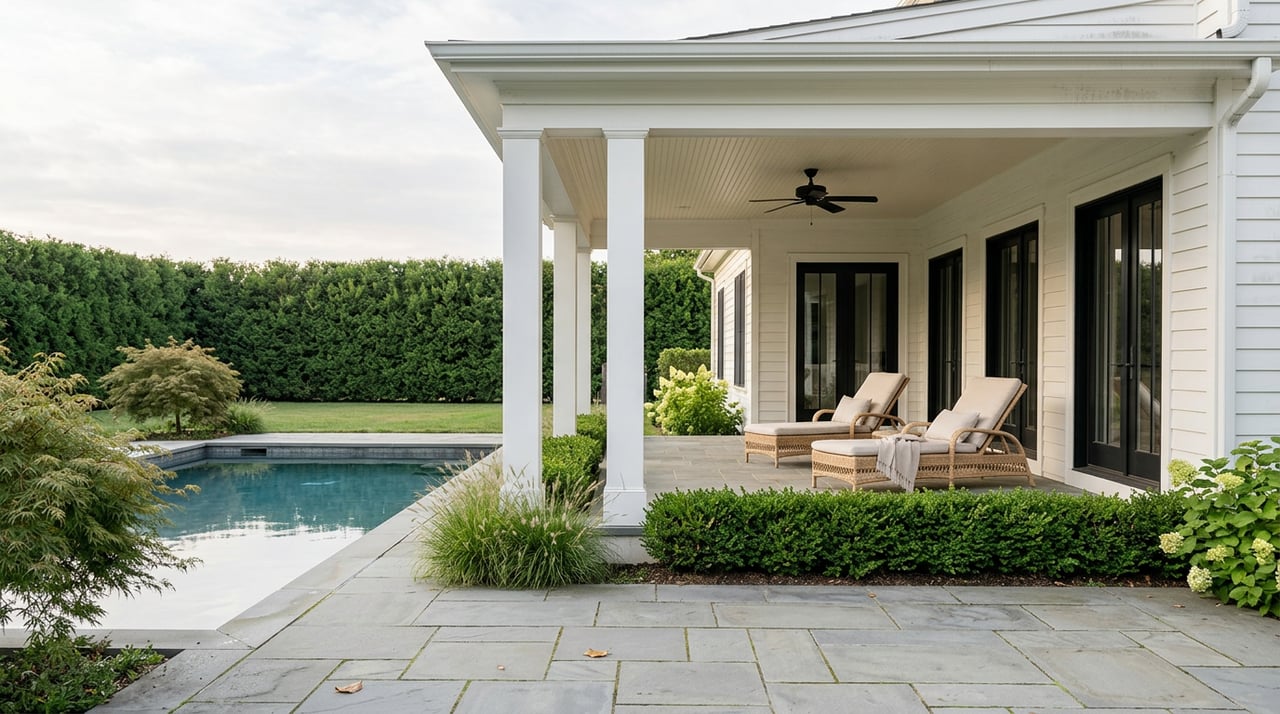
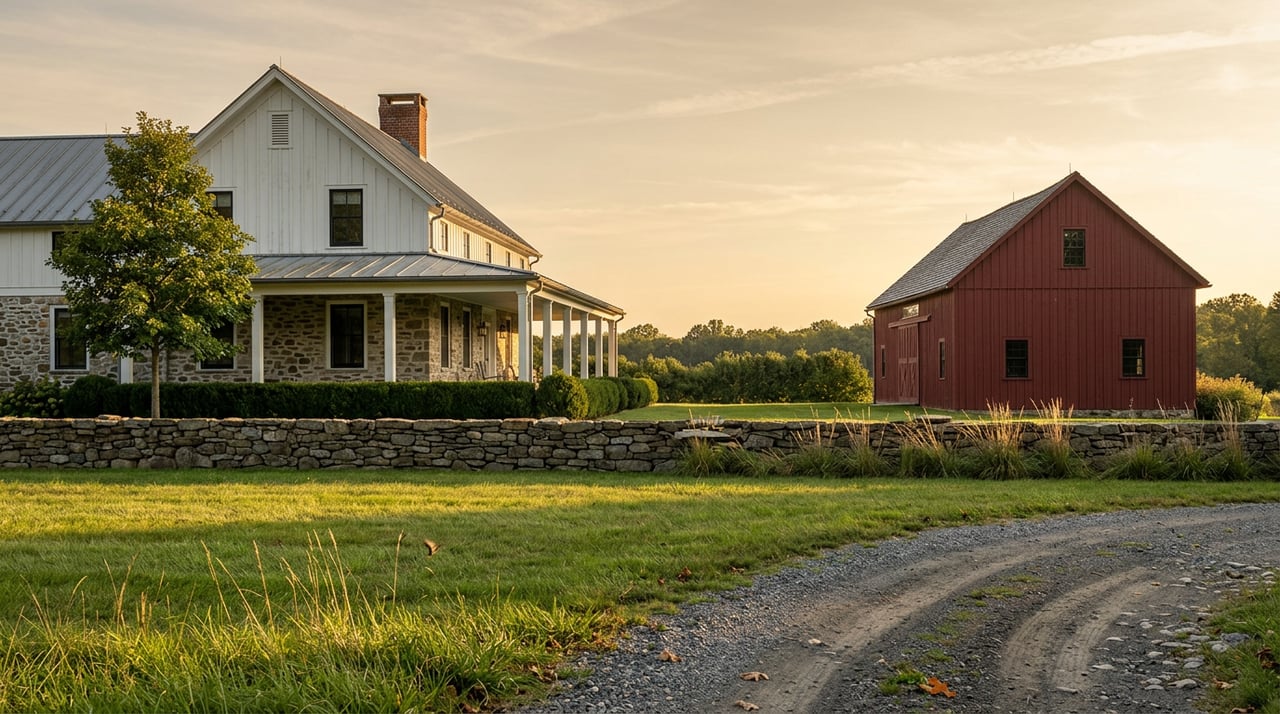
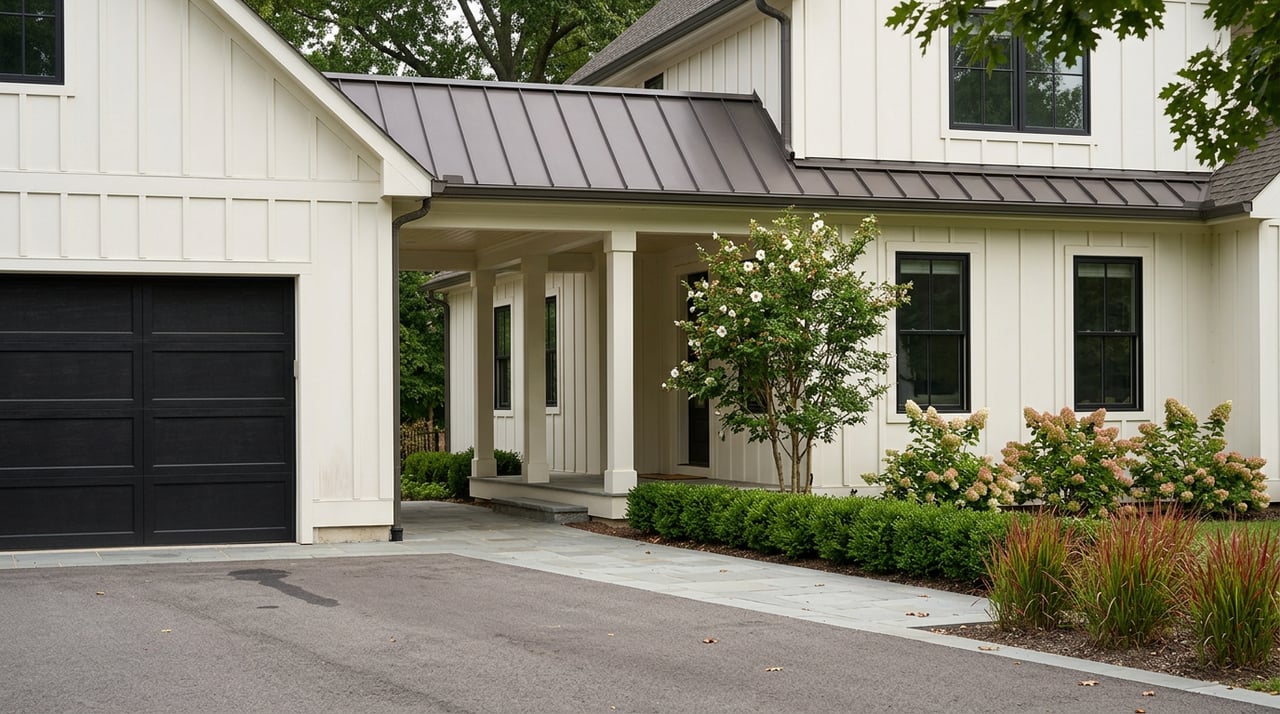
Harding Township is largely made up of detached single-family homes. You will find historic houses, mid-century properties, newer custom builds, and estate homes. Multi-unit buildings and rental apartments are limited inside the township, so most buyers target single-family options.
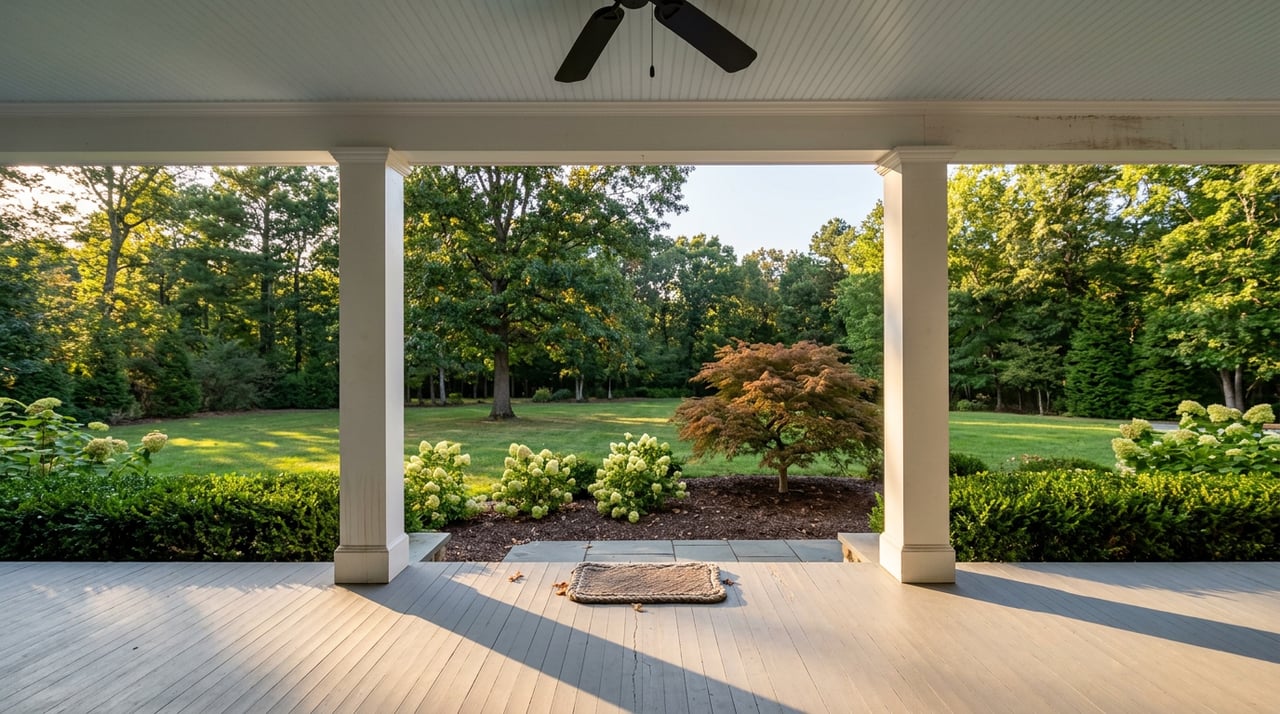
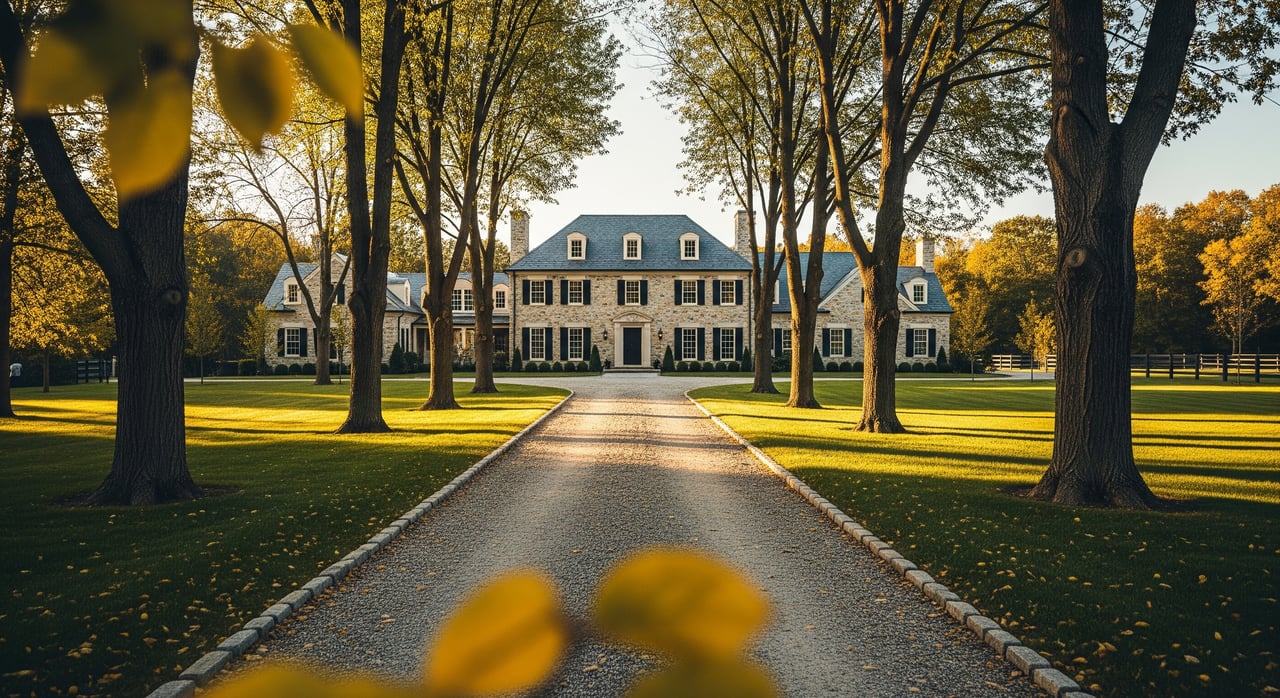
Lots are typically larger than what you see in many suburbs. One-acre parcels are common, and some estates sit on multiple acres. With more land, you should plan for longer driveways, more landscaping, and added maintenance for outbuildings or accessory structures.
If a walkable downtown is important to you, plan to visit nearby Madison or Morristown. Many Harding residents head there for restaurants, shopping, healthcare, and services while keeping a home base in Harding’s low-density setting.
Zoning and conservation basics
Harding’s land-use policies prioritize open-space preservation. Zoning generally supports lower-density development and careful subdivision. Some properties sit near conservation areas or may include easements and environmental protections.
Before you buy, review local zoning and any overlay districts that could affect your plans. Pay attention to permitted uses, setback rules, accessory buildings, and any historic or environmental constraints like wetlands or steep slopes. A quick check with the township’s Land Use office can save time and surprises later in the process.
Commuting and transit options
Harding is primarily car oriented. Most residents drive for daily errands and school runs. Public transit is available nearby, but options within Harding itself are limited.
For rail, the closest New Jersey Transit stations are in Morristown and Madison on the Morristown Line. Trains from these stations offer service to Hoboken and Midtown Direct to New York Penn Station, depending on schedule. If you plan to park at the station, verify parking permits and daily availability, and check current train timetables to confirm travel times.
Driving to New York City is possible, though peak-hour congestion on I-287, I-80, and connecting routes can add time. Many commuters combine a short drive to Madison or Morristown with the train for a predictable routine. Newark Liberty International Airport is the nearest major airport for national and international flights.
Schools and municipal services
Harding Township operates its own K–8 school district. For high school, the township has a sending and receiving arrangement with a neighboring district, often Madison High School. Because policies can change, you should confirm the current setup directly with the districts and review New Jersey Department of Education reports. Visiting schools in person can give you a clear sense of programs and transportation.
Municipal services such as permitting, public works, code enforcement, and recreation are handled by Harding Township. Morris County oversees certain parks, countywide programs, and larger infrastructure. For emergency services, check how police, fire, and EMS are organized and the coverage for your address.
Utilities and connectivity
Many Harding properties use private wells and on-site septic systems due to the lower-density layout. That means well flow and quality tests and a professional septic inspection should be part of your due diligence. In some areas, public connections may be available, so it pays to verify with the township.
Electric and natural gas service is provided by regional utilities. Internet speeds and cell coverage can vary, especially on larger or more wooded lots. Test your preferred provider at the specific address and verify service levels before you finalize your decision.
Recreation and nearby amenities
If you love the outdoors, you have a lot to explore. The Great Swamp National Wildlife Refuge sits next to or near Harding and offers trails, birding, and conservation education. Morristown National Historical Park, including Jockey Hollow, provides hiking and year-round programming focused on local history and nature.
Harding and the surrounding area also support equestrian interests. If you plan to keep horses or set up a hobby farm, review zoning and accessory use rules to make sure your plans align with local regulations. For dining, entertainment, and healthcare, Madison and Morristown deliver a wide range of options within a short drive.
Due diligence checklist for buyers
Use this list to stay organized as you evaluate properties:
- Water and septic: Order a licensed well test and septic inspection. Confirm system age, capacity, and maintenance history.
- Utilities and broadband: Identify electric and gas providers. Test internet speeds and cell coverage at the address.
- Zoning and easements: Review permitted uses, setbacks, conservation easements, deed restrictions, and any historic overlays.
- Environmental items: Check for wetlands, floodplain, steep slopes, and habitat constraints that could impact development.
- Taxes and assessments: Request the current tax bill and review assessment history and any open tax appeals.
- Access and maintenance: Clarify shared driveway agreements, private road obligations, and winter plowing plans.
- Insurance: Confirm flood zone status and estimate homeowners and umbrella policy costs. Note that older homes may require additional underwriting info.
- Permits and improvements: Verify permits and certificates of occupancy for additions, garages, pools, or major renovations.
Plan your scouting trip
A focused visit helps you see how daily life will work for you. Start with a drive through Harding’s neighborhoods to observe lot sizes, spacing between homes, and how properties are maintained. Note any proximity to main roads and traffic patterns that could affect noise.
Next, spend time in downtown Madison and Morristown for lunch and errands. This gives you a clear sense of where you will likely shop and dine. Stop at the closest NJ Transit station to check parking rules and walk the platform to understand train frequency and travel times.
If you are considering schools, schedule a visit and speak with administrators about programs and transportation. For properties on wells and septic, set up conversations with local inspectors to understand timelines for testing. If you are pursuing equestrian or specialized uses, visit nearby barns and service providers.
Bring a printed list of target properties, parcel maps, and your must-haves and deal-breakers. Use your phone as a hotspot to test coverage in different parts of town. Take photos, measure critical spaces, and record commute times during actual peak periods.
Finding off-market opportunities
Discreet sales and pocket listings are part of the landscape for higher-value and estate properties. The best access comes from local relationships with owners, attorneys, financial advisors, estate managers, and equestrian networks. If privacy matters, targeted outreach often works better than broad advertising.
Before approaching unique lots or potential subdivisions, confirm soft constraints with the township. This includes the likelihood of re-subdivision, proximity to wetlands, and septic capacity. A real estate attorney can help with confidentiality agreements if needed.
What living here feels like
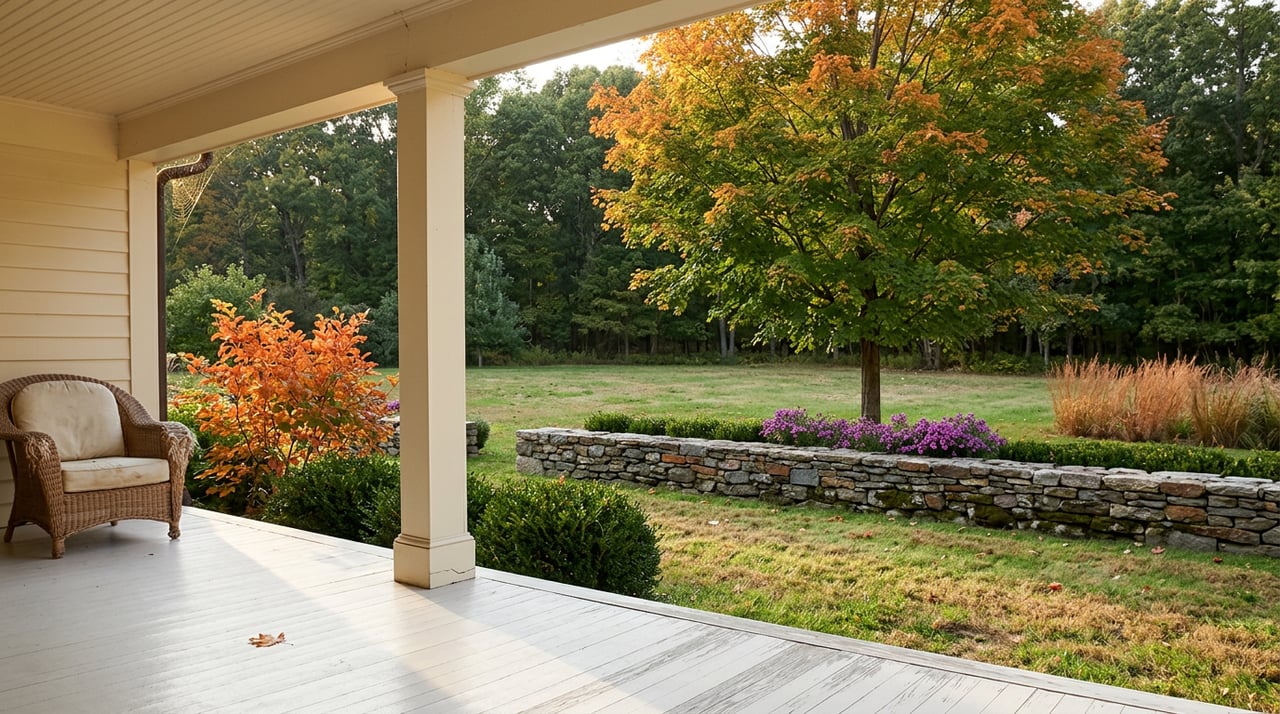
In Harding, the feel is quiet and spacious. You trade busy commercial corridors for preserved open space and scenic roads. You will likely drive for daily needs, but downtown Madison and Morristown are close for dining, shopping, and cultural events.
If you value privacy, land, and a measured pace, this setting can be a strong match. At the same time, the regional transit network and nearby stations keep New York City and major employment centers within reach. With the right preparation, you can enjoy a calm home base without losing access to the wider metro area.
How we help you move with confidence
You deserve a smooth, well-planned purchase that respects your time and priorities. With deep local knowledge across Harding and neighboring towns, we help you vet wells and septic, confirm zoning, test commute options, and uncover on-market and off-market opportunities. Our team-backed approach includes curated lenders, attorneys, stagers, and trades so you can move forward with clarity.
If Harding Township is on your shortlist, let’s talk about your goals and what it will take to get you there. Connect with Hope Salamone Homes to start a tailored conversation.
FAQs
What types of homes are common in Harding Township?
- Detached single-family homes on larger lots are typical, ranging from historic properties to newer custom and estate homes, with limited multi-unit options.
How do commutes to New York City work from Harding Township?
- Most residents drive to nearby NJ Transit stations in Madison or Morristown for Midtown Direct or Hoboken service, or they drive into the city while accounting for peak congestion.
Are most Harding Township homes on well and septic systems?
- Yes, many properties use private wells and on-site septic systems due to lower-density development, so plan for professional testing and inspection during due diligence.
Which high school serves Harding Township students?
- Harding runs its own K–8 school and has a sending and receiving relationship for high school, commonly with Madison High School; confirm current arrangements with the districts.
What should I test during a Harding Township scouting trip?
- Drive peak-hour routes, visit preferred train stations and parking areas, test internet and cell coverage at addresses, and tour local amenities in Madison and Morristown.
How can I find off-market or discreet listings in Harding Township?
- Work with a local agent who networks with owners, attorneys, and equestrian circles and uses targeted outreach while confirming zoning and conservation constraints.
What due diligence is critical for larger lots and estates?
- Verify zoning and easements, well flow and quality, septic capacity, environmental constraints, shared driveway maintenance, insurance needs, and permits for prior work.