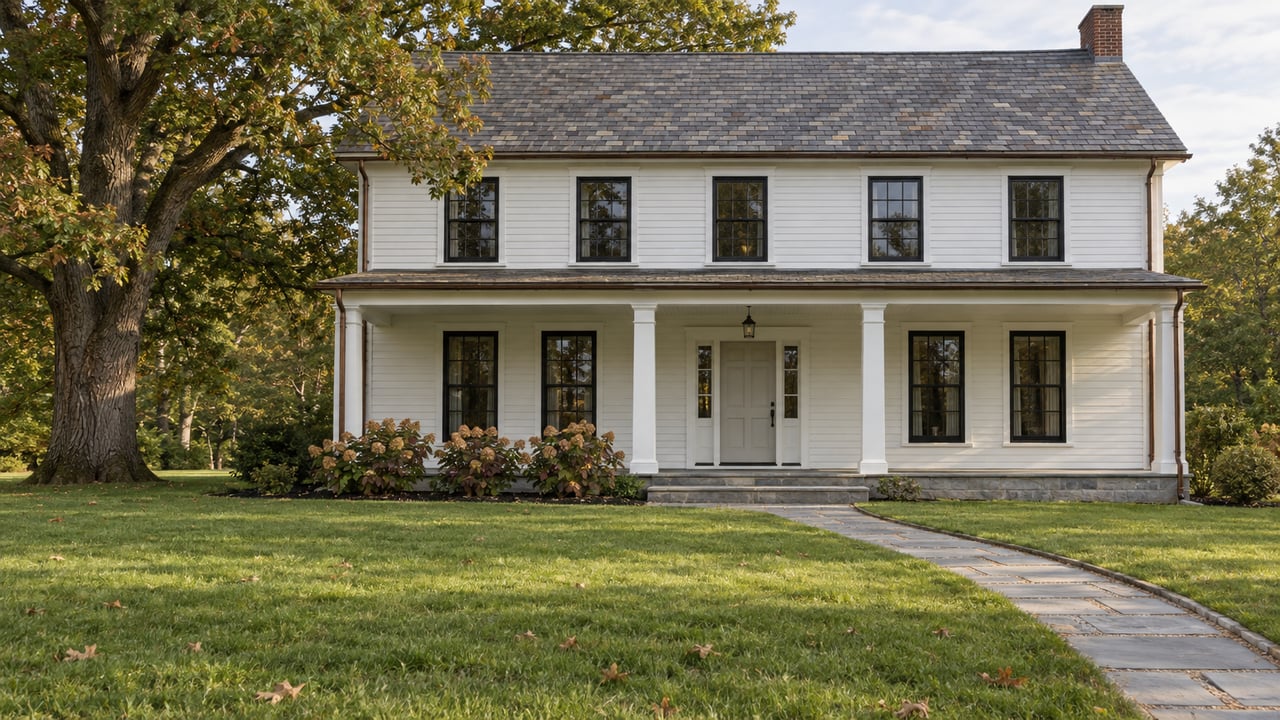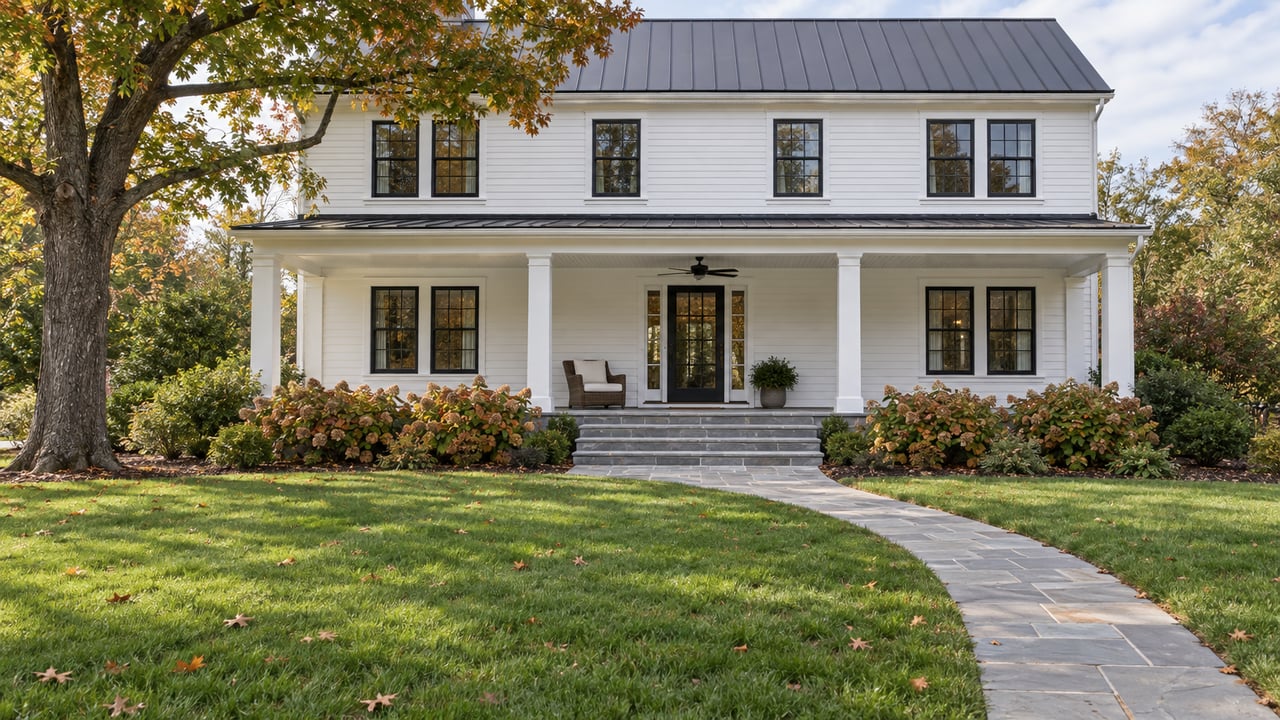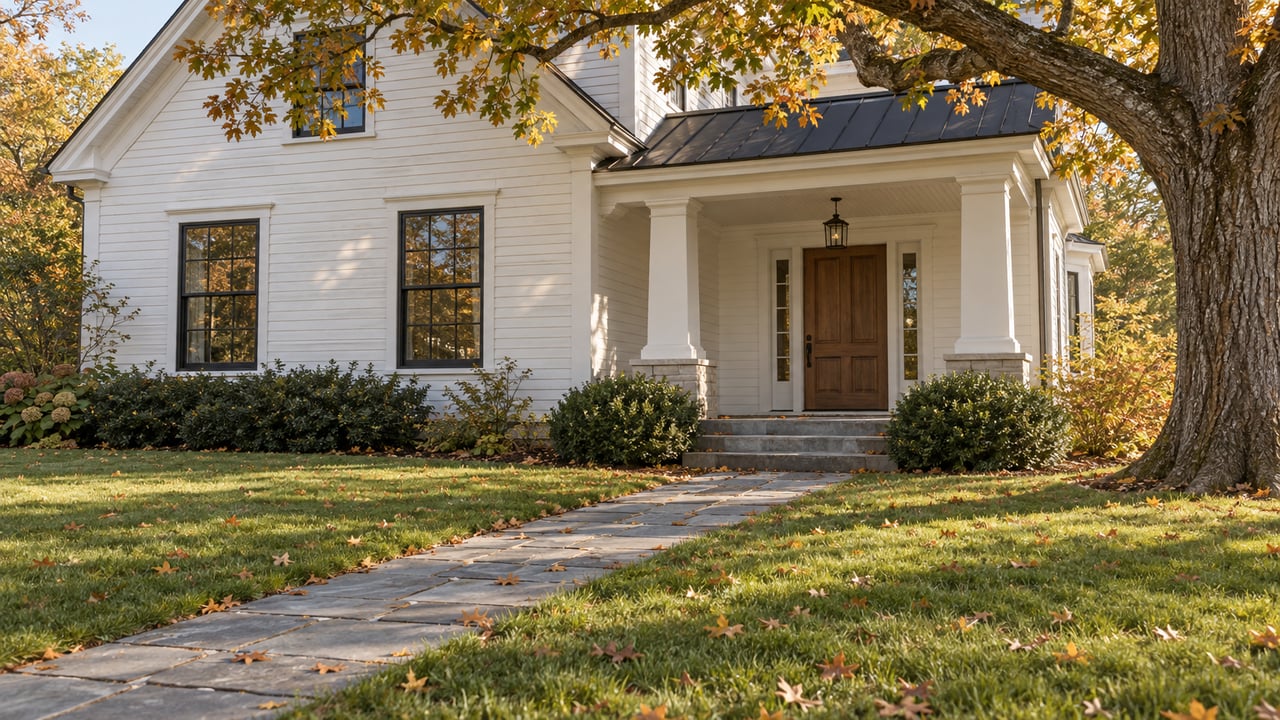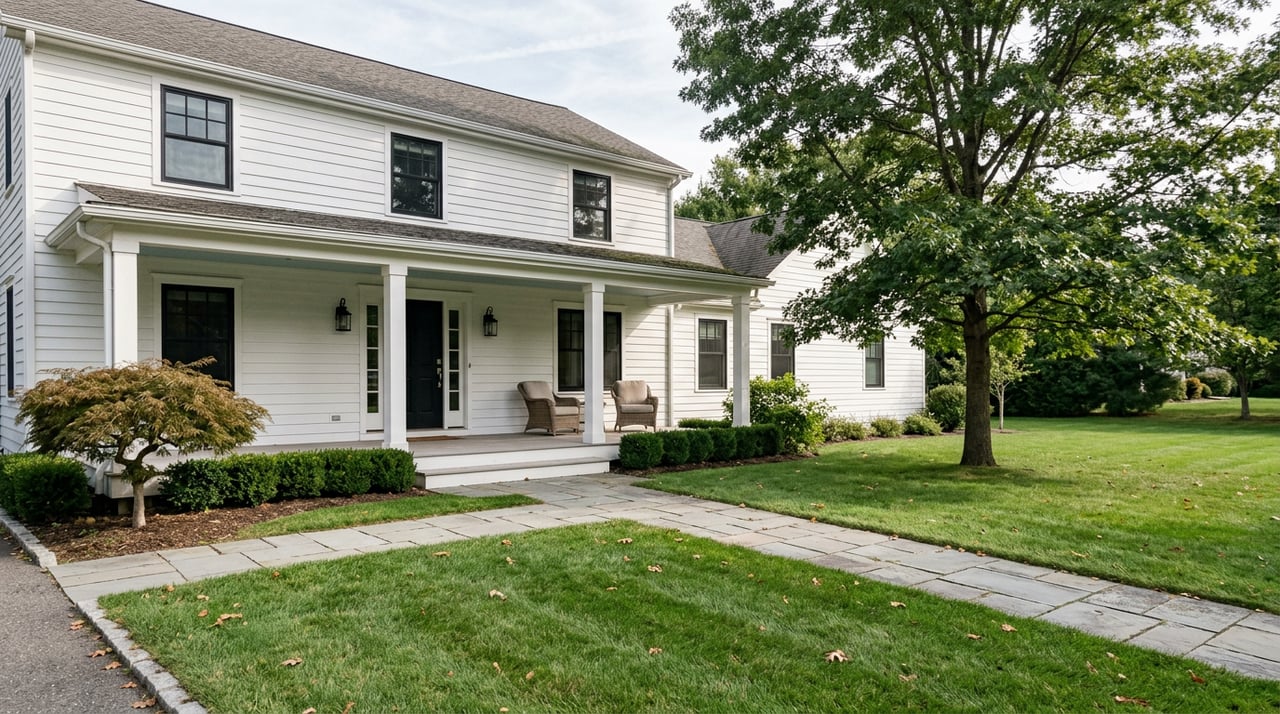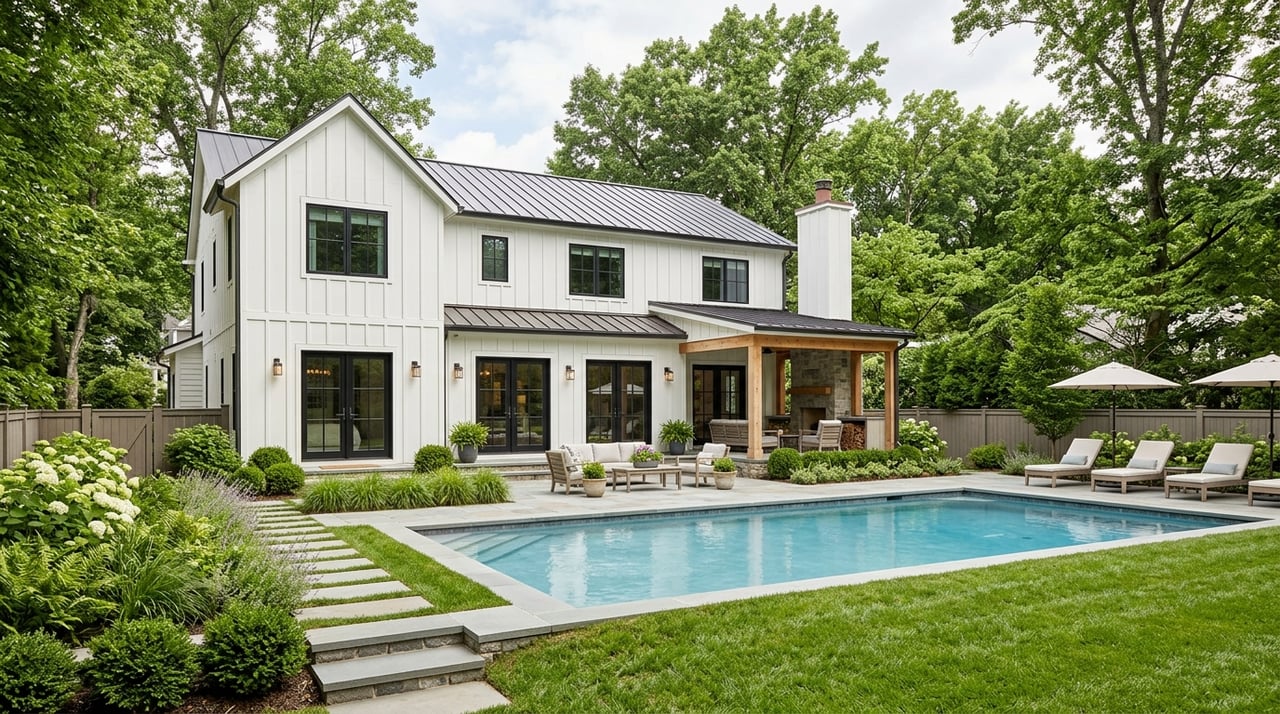
If you picture life in New Jersey and think of packed subdivisions, busy shopping strips, and short hops to everything, Harding Township will feel very different. This is a place where preserved land, winding roads, and estate-style properties shape your daily routine in a very real way. If you are wondering what country estate living here actually feels like, this guide will help you understand the pace, the trade-offs, and the lifestyle that comes with it. Let’s dive in.
What Makes Harding Feel Different
Harding Township stands apart because so much of its landscape has been intentionally preserved. According to the township’s land use plan, Harding reflects an older settlement pattern of small crossroads villages, low-density farmland, and narrow, meandering roads rather than a typical suburban grid.
That pattern is not accidental. The township’s open space plan states that about 6,200 acres have been permanently preserved, compared with roughly 4,700 acres of developed and developable land. As of April 2020, more than 1,780 acres were farmland assessed, which helps explain why the area feels wooded, open, and resistant to intensive growth.
For you, that means daily life often comes with more visual calm and more physical space. Homes tend to feel separated by trees, fields, and conservation land instead of dense neighborhood blocks.
Privacy Is Part of Daily Life
One of the biggest reasons buyers consider Harding is privacy. The township’s preserved acreage, low-density road network, and historic development pattern create a setting that feels notably private by suburban New Jersey standards, as reflected in the township’s historic preservation plan.
That privacy shows up in small ways every day. Your drive home may include wooded stretches and open land instead of long rows of closely spaced houses. Your outdoor space may feel more like a retreat than a backyard tucked into a tight subdivision.
For many buyers, that is the central appeal of country estate living in Harding. You are not just buying a home. You are choosing a quieter setting and a more buffered everyday environment.
New Vernon Sets the Local Rhythm
Harding does have a community focal point, but it is not a major downtown. The township’s master plan identifies New Vernon Village as the center of the community and describes it as a mixed residential and commercial area tied to Harding’s early settlement pattern.
At the same time, nonresidential development is largely limited to New Vernon Village and the Route 202 corridor. Businesses are generally small-scale, which means your everyday routine is likely to be quieter and less convenience-driven than in a town with a large retail core.
In practical terms, Harding is not the kind of place where you walk a few blocks to a broad mix of stores, restaurants, and services. You get a village feel, but not a full-service shopping district.
Expect to Drive for Errands
For broader dining, shopping, and services, many residents look beyond Harding itself. The Morris County Tourism Bureau highlights nearby Morristown, Chester, and Madison for downtown shopping, dining, and local charm.
If you want a lively downtown experience, Morristown offers a strong option. Its business district includes more than 150 restaurants and bars in a walkable setting, while Madison notes that its Main Street business district runs along Route 124 with local shops and restaurants in its historic downtown.
That means the Harding lifestyle usually involves planning around the car. Many buyers see that as a fair trade for land, privacy, and scenic surroundings, but it is important to understand it upfront.
Commuting Is Car-First
Harding’s local transportation pattern is built around driving. The township’s master plan points to the Route 202 and I-287 corridor as a key spine for commercial activity and access, which supports a car-centered routine for local errands, services, and work trips.
If you commute regionally, rail access is nearby rather than inside the township. NJ TRANSIT’s Madison station is on the Morris & Essex Line, which includes Midtown Direct service, and Madison says the station provides direct service to Penn Station in New York City.
So if you are comparing Harding with a walk-to-train town, the lifestyle is different. Harding works better for buyers who want an estate-style home base and are comfortable driving to reach train service when needed.
Outdoor Access Shapes the Lifestyle
Outdoor life is one of Harding Township’s defining features. The Great Swamp National Wildlife Refuge is a major local resource, describing itself as a 12-square-mile natural oasis with close to 11.5 miles of foot-access trails, visitor facilities, and public viewing areas.
The refuge is open year-round from sunrise to sunset, which makes it an easy part of a regular routine. Whether you enjoy walking, birdwatching, or simply getting outside, access to this kind of preserved landscape changes how free time can look.
Harding also connects closely to the Jockey Hollow area of Morristown National Historical Park. The township’s open space plan notes that Jockey Hollow totals about 1,700 acres, with 1,346.6 acres in Harding, and park grounds are open daily from sunrise to sunset.
Another major resource nearby is Lewis Morris County Park, which spans 2,213 acres and offers more than 25 miles of trails, picnic areas, athletic fields, group camping areas, a dog park, and Sunrise Lake. When you put those resources together, it becomes clear why Harding feels more like an estate community than a standard low-density suburb.
The Pace Is Quieter by Design
The strongest theme in Harding is that daily life moves at a different pace. The preserved-land pattern, the limited commercial footprint, and the road network all support a more tucked-away routine.
That does not mean isolated. It means your setting is more residential, more scenic, and less shaped by constant commercial activity.
For many buyers, that slower rhythm is exactly the point. Morning walks, scenic drives, and time outdoors are not just occasional perks here. They are part of the everyday experience created by the township’s geography and planning framework.
The Main Trade-Off Is Convenience
Every lifestyle choice comes with trade-offs, and Harding is no exception. The same planning decisions that protect space and scenery also limit retail density, infrastructure, and transit convenience.
The township’s master plan notes that public water and sewer infrastructure is limited and that most residents rely on wells. Combined with the town’s low-density pattern, that reinforces the fact that Harding is designed for space and preservation first, not quick-stop convenience.
If you love the idea of privacy, land, and a quieter setting, those trade-offs may feel very reasonable. If you want walkability, dense retail options, and transit at your doorstep, Harding may feel less aligned.
Who Tends to Love Harding Township
Harding is often a strong fit if you value privacy, outdoor access, and a country-estate setting. Buyers who are happiest here tend to appreciate land, scenic surroundings, and a home environment that feels removed from busier suburban patterns.
It can also appeal to households looking for a smaller local school setting. The National Center for Education Statistics lists Harding Township School District as a PK-8 district with one school in New Vernon and an enrollment of 291 students for 2024-2025.
Most of all, Harding tends to suit buyers who are comfortable making a conscious trade. You give up some everyday convenience in exchange for space, privacy, and a setting that feels carefully protected.
What This Means for Your Home Search
If you are considering Harding Township, it helps to evaluate the lifestyle as much as the house itself. A beautiful property can check all the aesthetic boxes, but the day-to-day routine matters just as much.
As you compare homes, think about your comfort with driving for errands, your interest in outdoor living, and how much value you place on privacy. In a market like Harding, those lifestyle factors are often just as important as square footage or finishes.
If you want help evaluating whether Harding Township is the right fit for your goals, Hope Salamone Homes can guide you with local insight, thoughtful strategy, and a tailored approach to your search.
FAQs
What is country estate living in Harding Township like day to day?
- Daily life in Harding Township is typically quiet, private, and car-centered, with preserved land, winding roads, and estate-style properties shaping the routine.
How private do homes in Harding Township feel?
- By suburban New Jersey standards, Harding often feels very private because homes are commonly separated by trees, fields, and conservation land rather than dense neighborhood blocks.
Does Harding Township have a walkable downtown?
- Harding Township has New Vernon Village as its community focal point, but it is a small-scale center rather than a large downtown with extensive shopping and dining.
Where do Harding Township residents go for shopping and restaurants?
- Many residents look to nearby towns such as Morristown, Madison, and Chester for broader dining, shopping, and services.
Is Harding Township good for commuters?
- Harding can work well for commuters who are comfortable driving, especially with nearby access to NJ TRANSIT stations in places like Madison and Morristown.
What outdoor amenities are near Harding Township?
- Major outdoor resources include the Great Swamp National Wildlife Refuge, Jockey Hollow at Morristown National Historical Park, and Lewis Morris County Park.
What is the main trade-off of living in Harding Township?
- The main trade-off is convenience, since the township offers privacy and preserved scenery but has limited retail density, limited infrastructure, and a car-first daily routine.
Who is a good fit for Harding Township real estate?
- Harding is often a strong fit for buyers who want land, privacy, outdoor access, and a quieter lifestyle, and who do not mind driving for most errands.