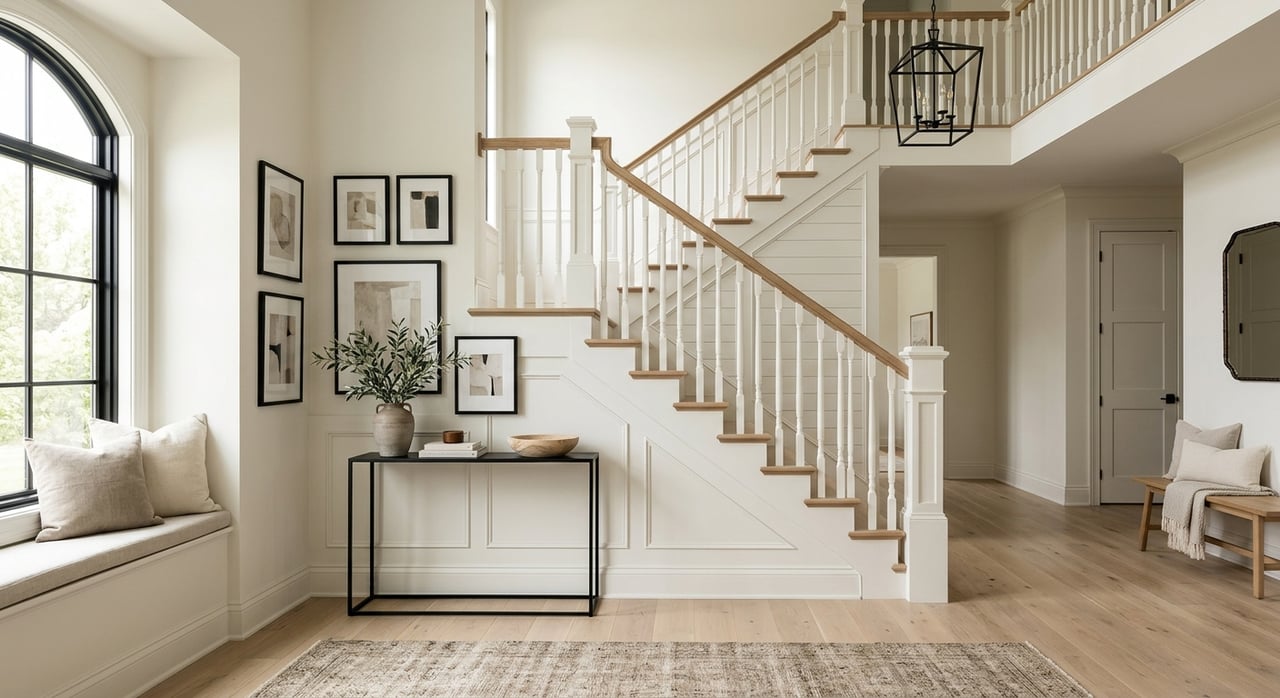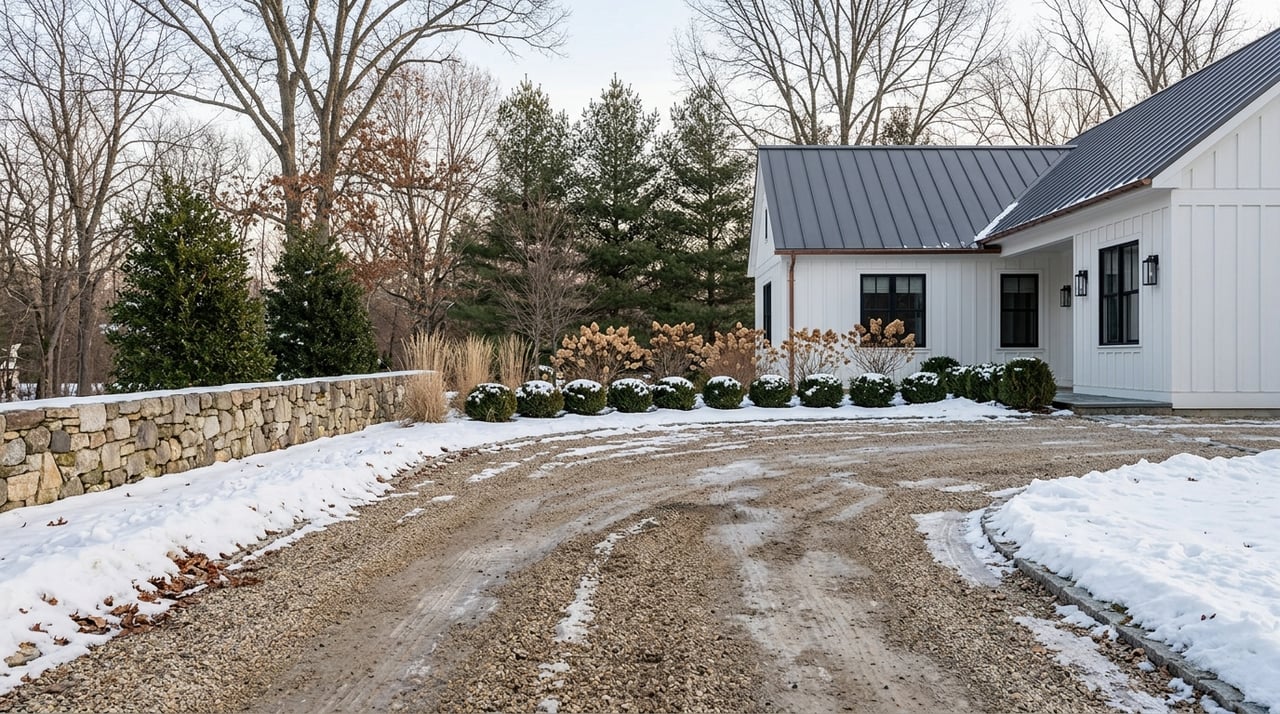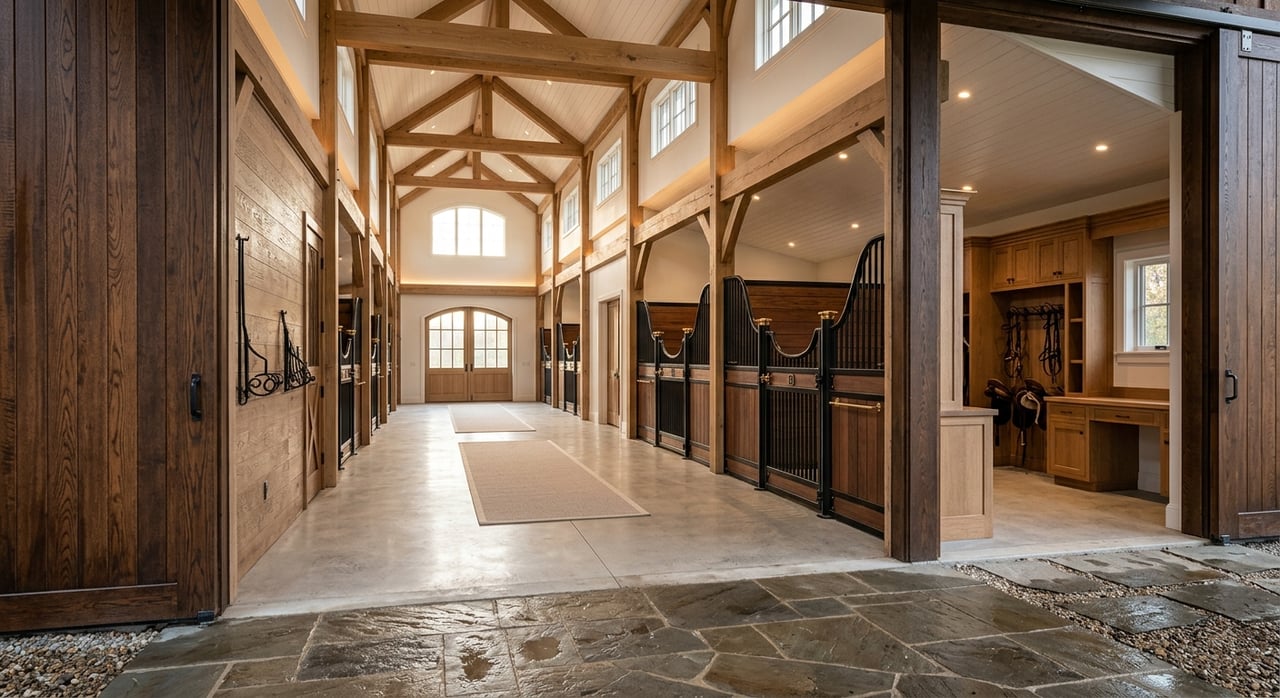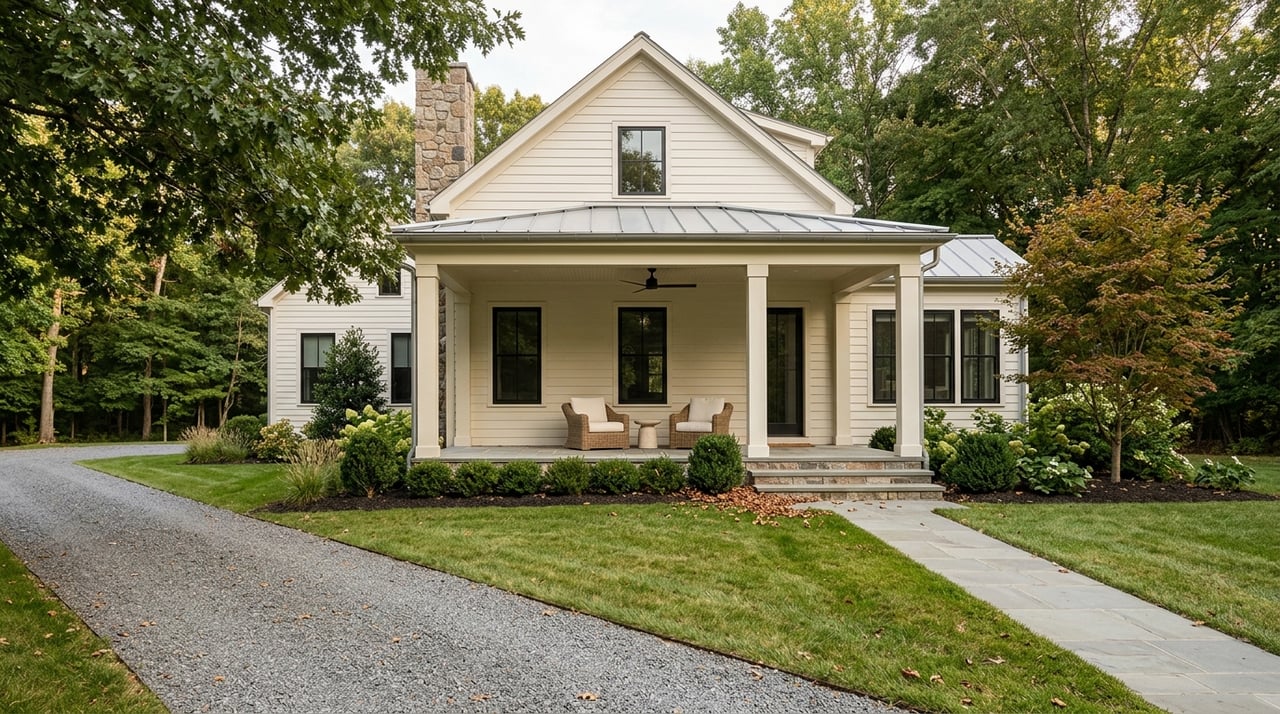
If you are looking at a farmhouse or country home in Tewksbury, it is easy to fall for charm before you spot the real renovation story. Wide-plank floors, old stonework, porches, and barns can be incredibly appealing, but the smartest opportunities usually come from what is behind the walls, under the ground, and across the site. If you want to tell the difference between a rewarding project and an expensive surprise, this guide will help you evaluate renovation potential with more confidence. Let’s dive in.
Why Tewksbury Renovations Are Different
Tewksbury Township is not a market where quick cosmetic updates usually tell the whole story. According to U.S. Census QuickFacts for Tewksbury Township, the township has a high median owner-occupied home value, strong household incomes, and a heavily owner-occupied housing base. In practical terms, that often supports demand for quality workmanship, durable systems, and updates that respect a home’s original character.
The local planning context matters too. The New Jersey Highlands Council notes that Tewksbury is fully conforming with the Highlands Regional Master Plan, with large areas in both the Preservation Area and Planning Area. That means renovations are often shaped not only by the house itself, but also by broader conservation and land-use considerations.
Start With Historical Significance
Before you budget for a new kitchen or dream up an addition, find out whether the home is simply older or if it may have historic significance. Tewksbury’s history resources identify multiple historic districts, including Oldwick, Mountainville, Pottersville, Fairmount, Cokesbury, and Taylor’s Mill, and the township says its Historic Resources Survey and preservation information can help owners understand what features may matter.
This step can shape everything that follows. If a home includes original masonry, wood windows, porches, trim, or period details, those features may carry more value when repaired thoughtfully rather than removed. In Tewksbury, buyers often respond well to homes that preserve their rural and historic identity while improving daily function.
What to look for outside
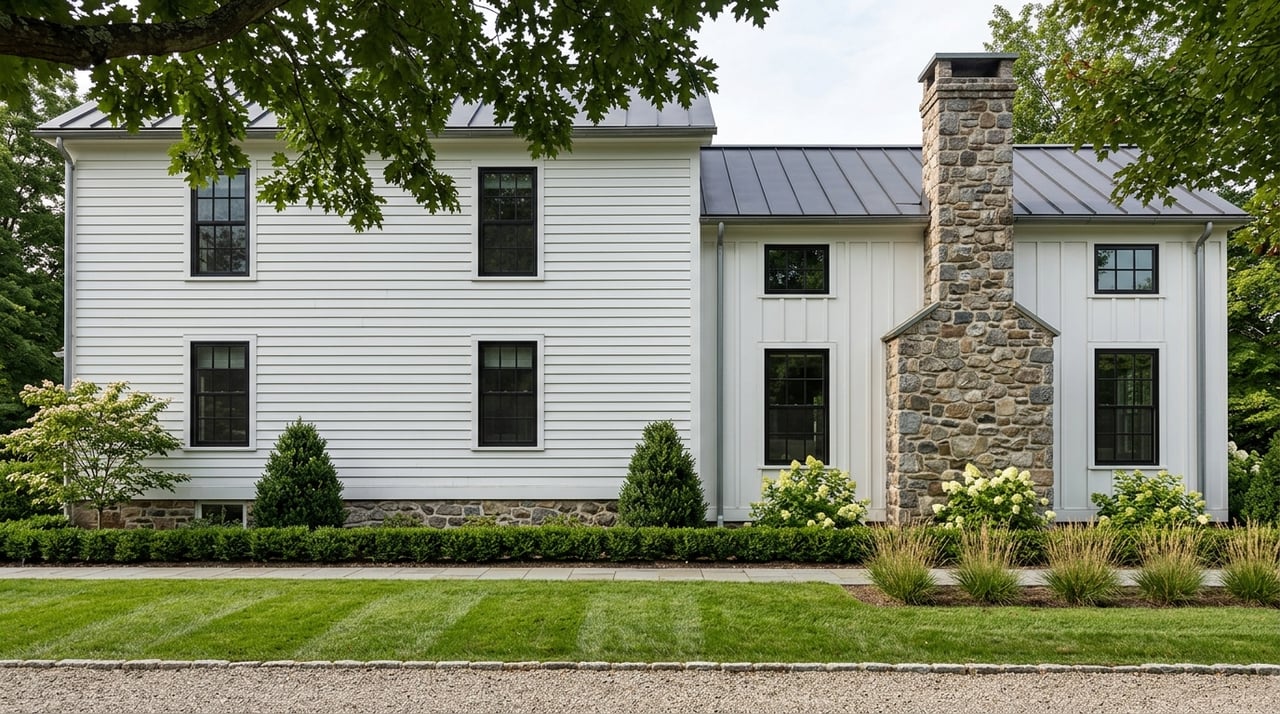
When you first walk a property, pay close attention to the exterior features that define its character:
- Rooflines and original proportions
- Stone, brick, or wood siding details
- Chimneys and visible mortar condition
- Porches, columns, and trim
- Original window patterns
- Barns, carriage houses, or detached structures
A home with intact character can be a strong candidate for renovation, especially if the main issues are maintenance and systems rather than structural loss of identity.
Focus On The Building Envelope First
In older homes, the best money often goes into protecting the structure before upgrading finishes. Tewksbury’s preservation guidance points owners toward repair-focused resources, and the National Park Service Preservation Briefs address common needs like mortar repointing, roof repair, wood window repair, and energy-related improvements through the township’s preservation page.
That is why the strongest renovation candidates often have sound bones but deferred upkeep. If the roof is near the end of its life, the masonry is failing, or the windows are leaking air and water, those issues deserve attention before cosmetic choices. A beautiful kitchen will not solve moisture problems or failing exterior materials.
Strong signs of renovation potential
A Tewksbury home may have promising renovation potential if you see:
- A stable-looking foundation
- Repairable masonry and chimneys
- Original windows that can be restored or selectively replaced
- A roof that needs updating but has not caused widespread damage
- Interior layouts that can improve without major demolition
- Distinctive details worth preserving
In many cases, function creates the value gap, not a need to tear everything apart.
Treat Well And Septic As Core Diligence
In a rural market like Tewksbury, water and wastewater systems deserve just as much attention as the visible house. The New Jersey Private Well Testing Act guidance explains that potable wells must be tested when a property is sold or leased, and both buyer and seller must review the results before closing. The same guidance notes that testing can cover up to 43 parameters, and Hunterdon County wells require uranium testing.
Costs matter here too. NJDEP estimates that PWTA testing typically runs about $1,200 to $1,500, which makes it a meaningful but necessary part of due diligence. Septic system review is just as important, and NJDEP also maintains inspection guidance for onsite wastewater systems.
Questions to ask about wells and septic
Before you commit to a project property, ask:
- When was the well last tested?
- Were any treatment systems added?
- Has the septic system been inspected recently?
- Are there records for pumping, repair, or replacement?
- Is there any evidence of drainage or saturation issues on the lot?
For many buyers, hidden well or septic problems can turn a charming property into a much more expensive renovation than expected.
Study The Site, Not Just The House
One of the biggest mistakes buyers make is evaluating the interiors without fully understanding the land. In Tewksbury, additions, detached garages, pools, tree removal, grading, and driveway changes can be more complicated than they first appear.
The Highlands planning framework highlights the environmental role of forests, wetlands, flood-prone areas, hydric soils, and steep-slope protections. Tewksbury also references scenic roads and tree-clearing rules, and local code includes land development standards tied to conservation design. If you are hoping to expand the footprint or significantly alter the site, you need to understand those constraints early.
Site clues that deserve a closer look
Watch for these signs during a showing or early walkthrough:
- Wet areas or standing water
- Steep grades near the house or driveway
- Large wooded sections where clearing may be limited
- Long driveways that may be costly to widen or rework
- Outbuildings set far from utilities
- Lots along scenic roads where exterior changes may draw more review
A home may have excellent renovation potential inside, but the site can still limit what you can do outside.
Look For Value In Practical Updates
The best Tewksbury projects are often not the flashiest ones. They are the homes where careful upgrades improve comfort, reliability, and layout while keeping what makes the property feel authentic.
Based on the preservation context and common needs of older country homes, the most worthwhile projects often include:
- Roof repair or replacement
- Masonry and chimney repointing
- Window repair or selective replacement
- Mechanical system upgrades
- Insulation and air sealing
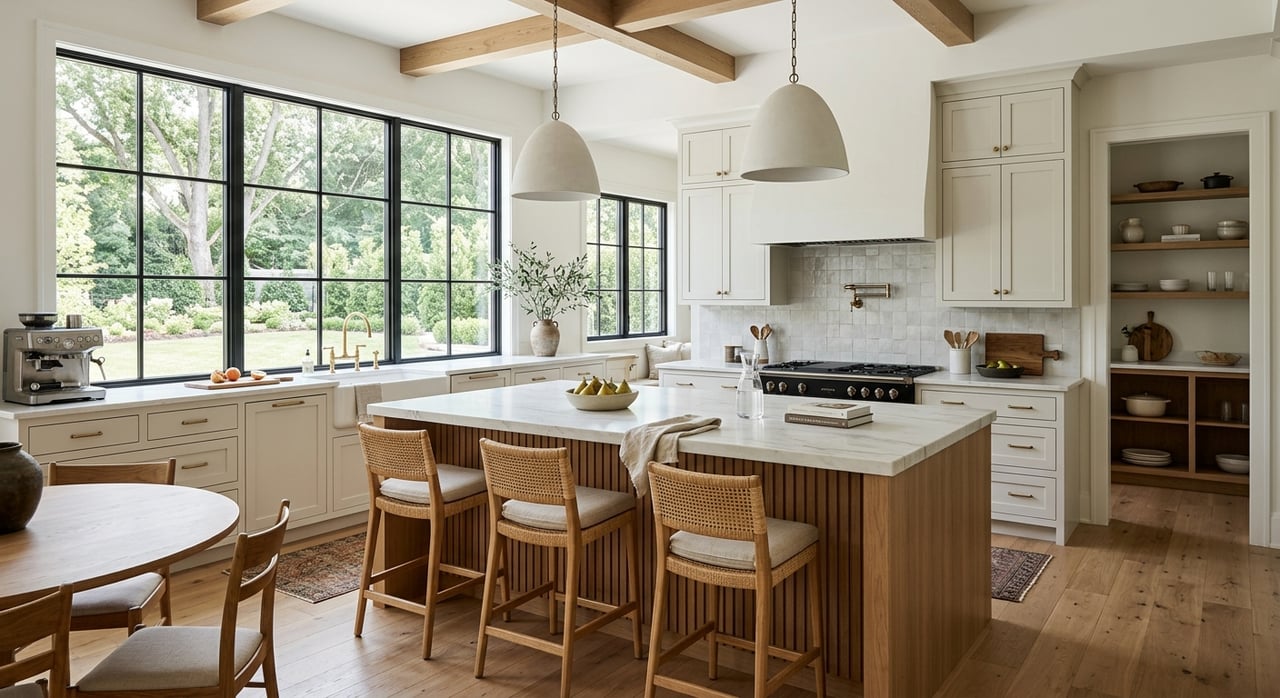
- Kitchen and bath reconfiguration
- Mudroom and laundry improvements
These improvements can make a house easier and less costly to own while preserving the visual features that buyers often value most.
Preserve Character, Modernize Daily Life
A smart renovation in Tewksbury usually balances restraint with practicality. That may mean keeping the original proportions, porch presence, wood trim, stonework, or detached outbuildings, while updating storage, circulation, heating and cooling, and everyday function.
This approach tends to fit the local market well. In a township where buyers may appreciate craftsmanship and setting, a style-blind renovation can feel out of step. A more thoughtful result is often one that looks like it belongs there, even after major improvements.
Outbuildings can add value
Barns, carriage houses, and detached structures can be major assets, but only when they are structurally sound and workable within the site. In Tewksbury’s conservation-oriented setting, repair, stabilization, and utility upgrades may create more value than aggressive expansion or site clearing.
If a property includes an outbuilding, pay attention to:
- Structural condition
- Roof integrity
- Foundation movement
- Access to utilities
- Drainage around the structure
- Whether the building contributes to the property’s overall character
An outbuilding does not need to be perfect to be valuable, but it does need to be realistic.
Understand What Future Buyers Will Notice
If resale matters, think like a future buyer from day one. In Tewksbury, buyers are likely to ask whether the home is in a historic district, whether it appears in the township survey, and what shape the roof, masonry, windows, foundation, well, and septic are in.
They are also likely to notice whether the renovation feels intentional. A home that is historically sympathetic outside and modern, efficient, and well-documented inside often makes a stronger impression than one with expensive finishes but unresolved systems or site issues.
Build Your Due Diligence Team In Order
When a property seems promising, the order of your experts matters. A practical workflow for Tewksbury is to start with a home inspector, then bring in septic and well specialists, and then consult a contractor, engineer, or preservation-aware architect for layout, structure, or exterior changes.
Finally, it helps to work with a local real estate advisor who can pressure-test the renovation plan against what buyers in Tewksbury actually pay for preserved character and turnkey function. That step can help you separate emotionally appealing projects from financially sound ones.
A Smarter Way To Spot Potential
The best renovation opportunities in Tewksbury are rarely the ones that promise the fastest makeover. More often, they are homes with solid bones, meaningful character, manageable site conditions, and a clear path to solving systems issues first.
If you are considering a farmhouse, colonial, or country property in Tewksbury, local context matters as much as design vision. To talk through renovation potential, resale positioning, or what buyers are really rewarding in this market, connect with Hope Salamone Homes.
FAQs
How can you tell if a Tewksbury home may have historic significance?
- Start by checking whether the property may be located in one of Tewksbury’s historic districts or appears in the township’s Historic Resources Survey through the township’s preservation resources.
What should buyers inspect first in a Tewksbury farmhouse renovation?
- Focus first on the building envelope and major systems, including the roof, foundation, masonry, windows, well, and septic.
Why are well and septic checks so important in Tewksbury Township?
- Many properties rely on private wells and onsite wastewater systems, and New Jersey requires private well testing in applicable sales, with Hunterdon County wells also requiring uranium testing.
What site issues can affect renovation plans in Tewksbury?
- Wetlands, flood-prone areas, steep slopes, tree-clearing limits, scenic-road considerations, and driveway or grading standards can all affect what changes are feasible.
Which renovations usually add the most value in Tewksbury country homes?
- Practical improvements like roof repair, masonry work, window repair, mechanical updates, insulation, and functional kitchen, bath, mudroom, and laundry upgrades are often the most effective.
Are barns and outbuildings worth saving in Tewksbury properties?
- They can be, especially when they are structurally sound and contribute to the property’s character, but their value depends on condition, utility access, drainage, and site compatibility.