Buying an estate home in Bernardsville is exciting, but it comes with details you do not want to miss. From acreage and septic systems to Highlands rules and old‑home systems, there is more to verify than in a typical suburban purchase. With the right plan, you can protect your investment and enjoy the privacy, space, and setting you want. This guide gives you the key checks, timelines, and local rules to keep on your radar. Let’s dive in.
Why Bernardsville estates stand out
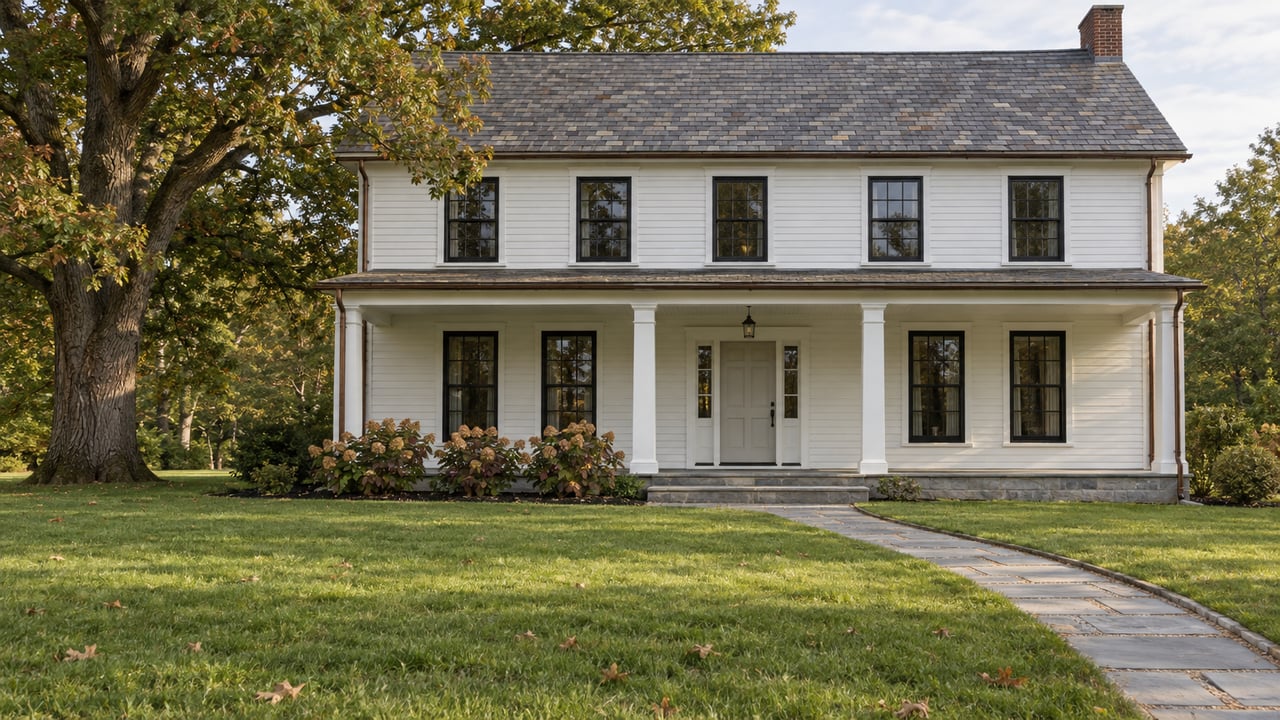
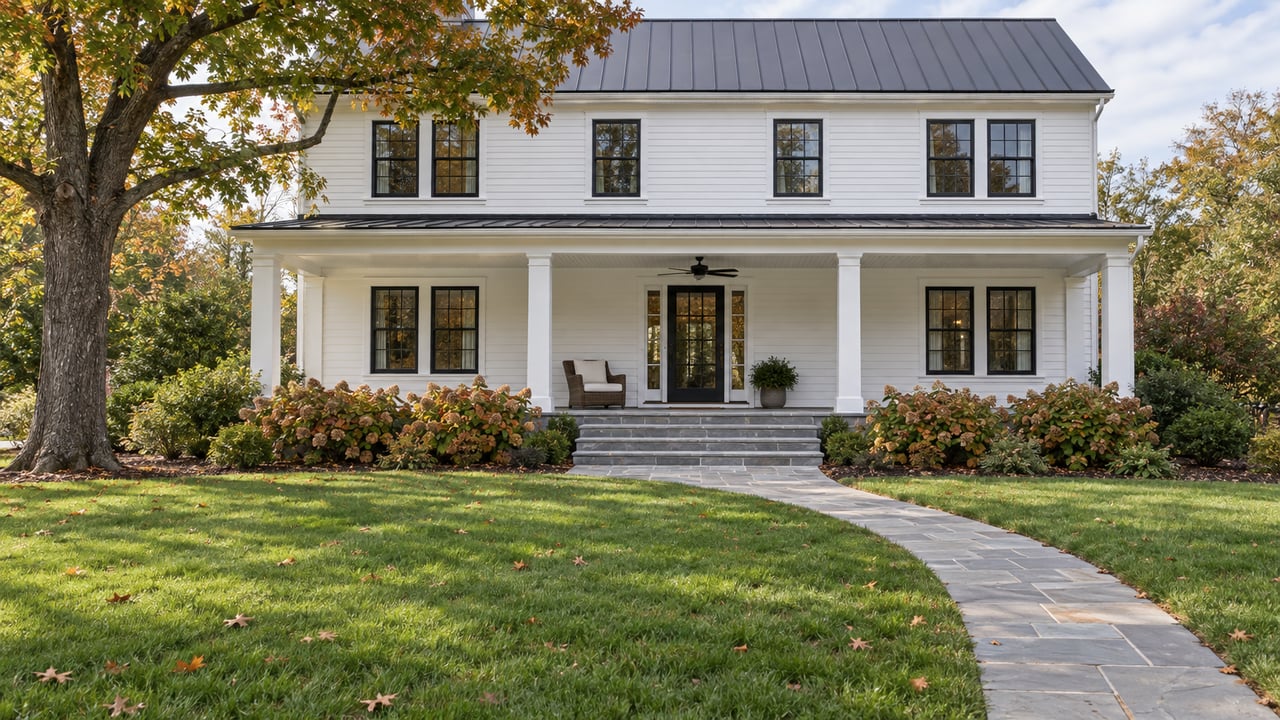
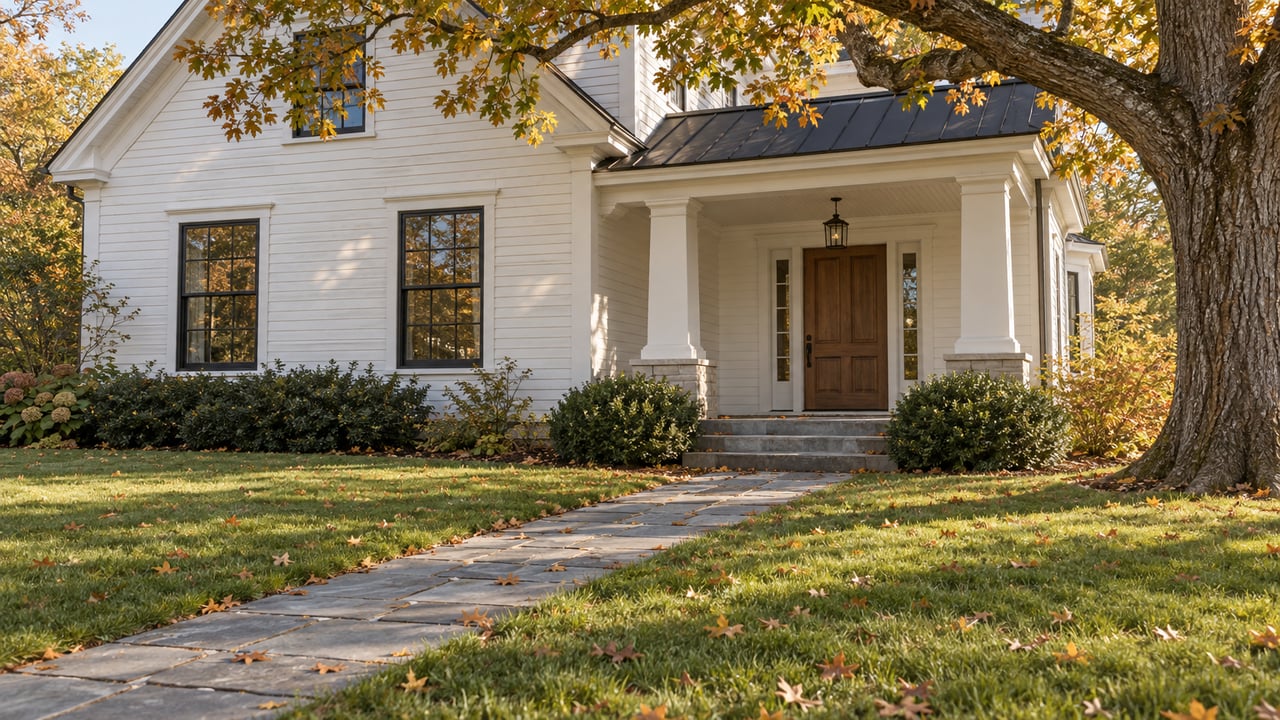
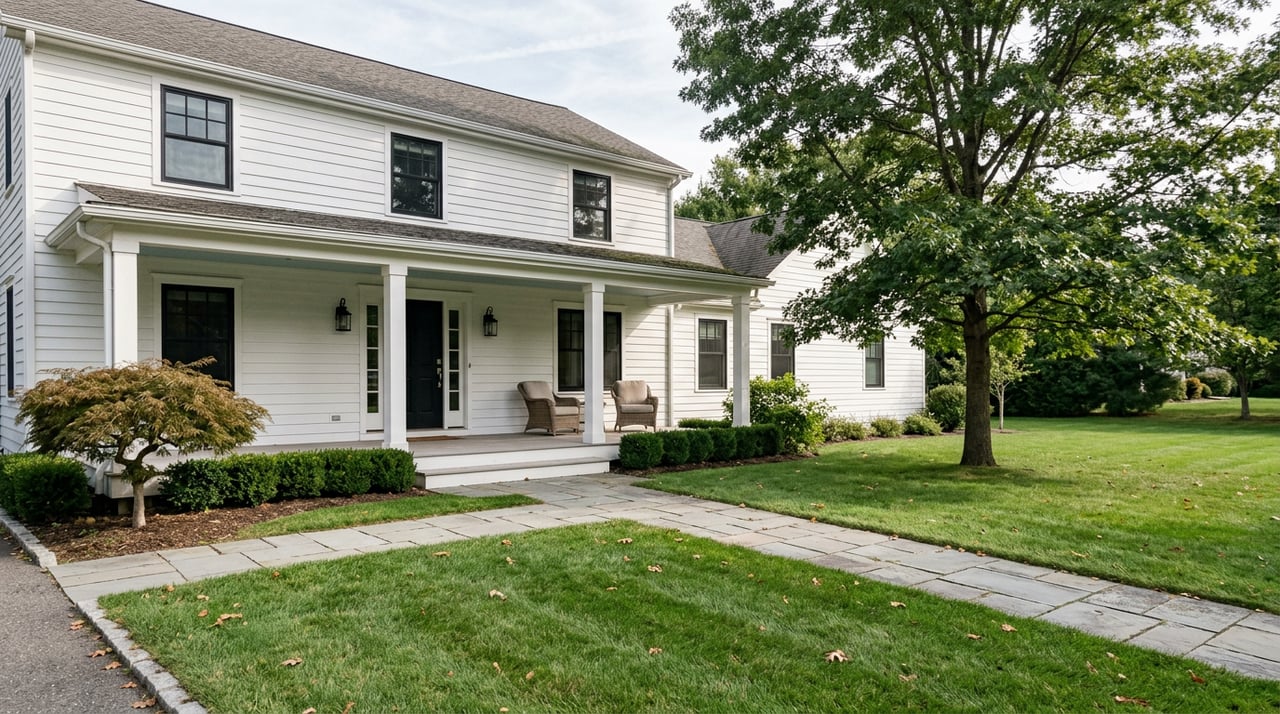
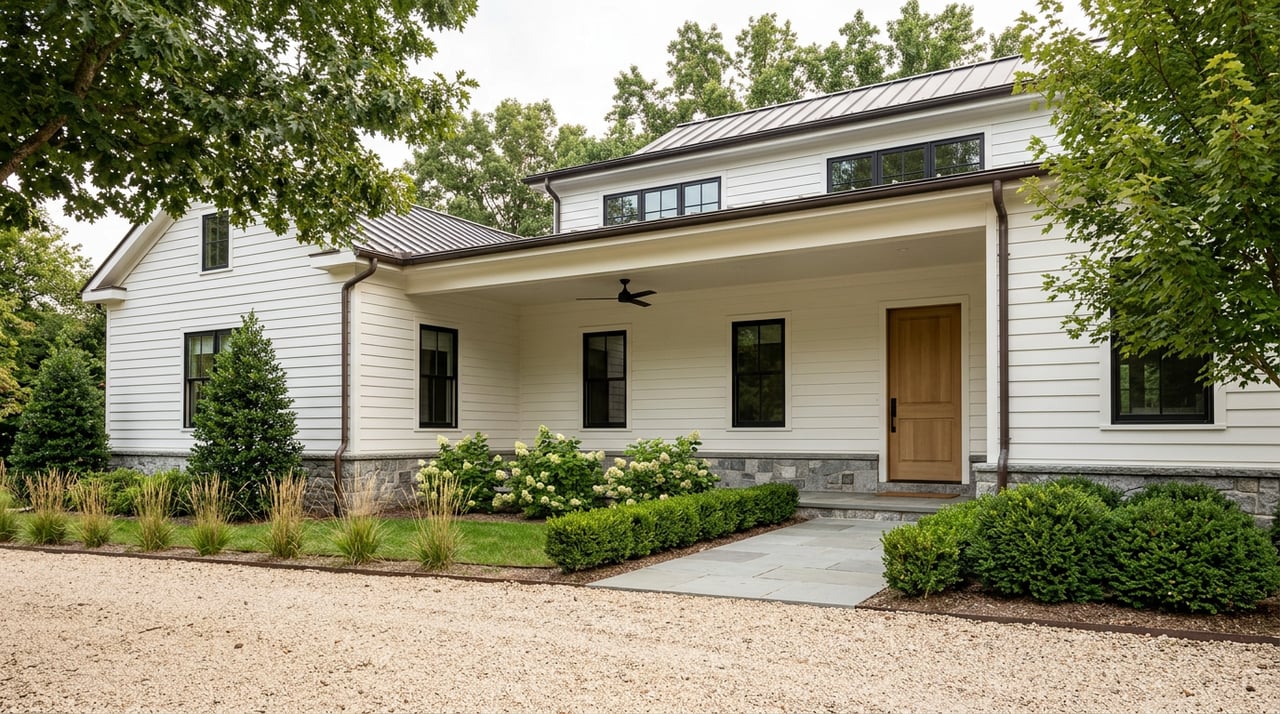
Bernardsville, in Somerset County’s 07924 ZIP, blends historic charm with multi‑acre properties and a convenient small downtown. You will find estates with long driveways, mature trees, and outbuildings that offer a true country feel. Properties range from village‑adjacent historic homes to larger parcels with pools, barns, or guest spaces.
Pricing tends to sit in the seven‑figure range, and inventory is limited. Each estate is unique, so value depends on usable acreage, condition, systems, and documentation. Before you set expectations, plan to pull a very recent comp set that reflects lot size and specific micro‑location.
Commute, schools, and services
If you need a rail option, the in‑town Bernardsville NJ TRANSIT station supports a commuter buyer profile. That access, plus established neighborhoods, helps demand.
Bernardsville is served by the Somerset Hills Regional School District (K–12). For boundaries, feeder patterns, and official information, visit the district’s schools page. School access is one of several factors that supports long‑term resale interest for family buyers.
New Jersey property taxes are above the national average. Ask for recent tax bills and the assessment history before you offer, and use county data like the Somerset County Abstract of Ratables to understand the local tax context.
Budget beyond the purchase price
When you shop estates, plan for operating costs that scale with land and systems.
- Landscape and tree care for mature specimens can be significant annually.
- Long driveways and private roads require plowing, resurfacing, and drainage upkeep.
- Pools, ponds, and irrigation bring seasonal service and safety compliance needs.
Confirm what requires permits, and factor annual maintenance into your budget. The borough’s Zoning Department is your hub for local rules, permit triggers, and contacts.
Lot and site due diligence
Not all acreage is usable the same way. Focus on how the land functions and what you are allowed to change.
Buildable area and topography
Estate lots can include steep slopes, wetlands, or floodplain areas that reduce the buildable envelope. The borough code sets buffers for floodplains and wetlands, and you should confirm constraints with a current survey and municipal overlays. Start with the zoning code sections that address environmental features and permit triggers in the borough code.
Highlands Planning Area rules
Bernardsville lies entirely within the New Jersey Highlands Planning Area. These rules and the borough’s conformance documents can limit subdivision, clearing, septic expansion, and lot coverage on large parcels. Before you plan an addition, new driveway cut, or guest house, review the parcel’s mapping with the Highlands Council Bernardsville page and speak with Borough Hall.
Sewer, septic, and wells
Some in‑town properties connect to public sewer, but many estate homes rely on private wells and septic systems. Connection status affects what you can add in the future, including ADUs or guest suites. To verify boundaries of the local sewer service area and treatment plant capacity, consult the county’s Wastewater Management Plan. If the home is on septic, make a full inspection, pumping, and capacity review part of your contract contingencies.
Buried oil tanks and environmental history
Older estate homes often used heating oil. An abandoned or buried tank can present costly environmental liability. Order a professional oil‑tank sweep using magnetometer or GPR, and if a tank is found or was previously removed, request all NJDEP documentation, including any closure or “No Further Action” letters. New Jersey’s program guidance for residential tanks is detailed on the NJDEP UST Fund page.
Driveways, access, and trees
Long driveways and private roads are common. Confirm who owns and maintains them, and whether any shared maintenance agreements exist. Tree removal can require permits depending on species, size, and count. Use the borough code and speak with the Zoning Department to understand local triggers, then plan tree work and access improvements accordingly.
Pools, ponds, and water features
Pools and ponds add enjoyment and value, but they also carry safety, fencing, and seasonal maintenance obligations. If a pond connects to regulated waters or wetlands, expect additional approvals. The borough code outlines how work near floodplains and wetlands is treated locally, and NJDEP rules may apply.
Inspecting older systems
Many Bernardsville estates include historic masonry, slate roofs, and legacy mechanicals. These elements are beautiful, but inspections need to be more specialized.
Electrical and insurance
Ask a licensed electrician to provide a comprehensive evaluation, including the presence of knob‑and‑tube or aluminum wiring and the condition of panels and subpanels. Many insurers restrict or decline coverage for active knob‑and‑tube and certain legacy panels, and lenders may require upgrades before closing. For a consumer view of how insurers treat older wiring, see this insurance guidance on old homes.
Roofing, chimneys, and masonry
Slate roofs and historic chimneys require specialist inspections and photo documentation. Replacement boards, slates, and lead‑coated flashings can be expensive. Ask for condition reports and estimated remaining life.
Septic and sewer verification
If the property is on septic, include a pump, inspection, and verification of tank size, age, and location of the reserve area. If sewer‑connected, confirm connection records and any transfer or hook‑up fees with the borough and county. The Wastewater Management Plan provides the broader context for service areas.
Lead, asbestos, radon, and pests
For homes built before 1978, test for lead‑based paint and plan renovations using the EPA’s Renovation, Repair and Painting rules. Learn about the certification framework on the EPA RRP program page. Consider screening for asbestos in materials like pipe insulation or old flooring, and add radon, mold, and wood‑destroying insect checks when advised by your home inspector.
Renovation feasibility and permits
Estate improvements require more front‑end planning. Expect zoning, environmental, and sometimes historic layers of review.
Zoning first, then building
Bernardsville requires a zoning review and zoning permits before building permits are issued. Setbacks, lot coverage, and buffers apply and may trigger Planning Board or Zoning Board relief if a variance is needed. Use the Zoning Department’s page to understand current forms, submittal steps, and review timelines.
Highlands and NJDEP reviews
Because the town lies in the Highlands Planning Area, substantial site work often needs to show conformance with Highlands standards. Work in or near wetlands or floodplains may also require NJDEP authorization. Start early with parcel‑level mapping from the Highlands Council and confirm local code requirements in the borough code. Build extra time into your schedule if your plan includes additions, new septic, tree clearing, or driveway re‑cuts.
Historic context
Bernardsville includes historically significant properties and districts. If your home is designated or within a district, exterior changes may face design review and material guidelines. Before you assume a window, roof, or porch change is straightforward, check municipal records for historic review triggers.
Resale dynamics to keep in view
Understanding what supports resale helps you buy the right estate at the right price.
What helps value
- Clean environmental history with documentation, including oil‑tank closure letters.
- Usable acreage and a clear buildable envelope.
- Updated mechanicals and electrical, plus a current survey and permits for past work.
- Rail access and K–12 continuity via the Somerset Hills Regional School District that broadens the buyer pool.
What can slow or hurt resale
- Suspected or confirmed buried oil tanks without NJDEP closure documentation.
- Active knob‑and‑tube wiring or aging panels that hinder insurance or lending.
- Unpermitted additions or work near wetlands or floodplains without approvals.
- Unclear access or missing maintenance agreements for private roads and drives.
Financing and insurance
Many estate purchases exceed conforming loan limits, so prepare for jumbo‑loan requirements like higher down payments and reserve standards. Old systems or environmental concerns can also affect appraisals and underwriting. Get insurance quotes early in escrow, and ask whether your carrier will require specific upgrades after closing. For context on insurer practices with older wiring, review the old‑home insurance overview.
Your Bernardsville estate buyer checklist
Use this list to guide offers and contingencies. Ask your attorney and agent to help you gather and verify each item.
Request before offer or as contract contingencies:
- Current survey showing structures, driveways, easements, and any mapped floodplain or wetland lines. See relevant definitions and buffers in the borough code.
- Preliminary title review plus any recorded easements, covenants, or conservation restrictions.
- Recent tax bills and assessment history. Reference county context in the Somerset Abstract of Ratables.
- Proof of sewer connection or complete septic and well records. Use the county Wastewater Management Plan for service‑area context.
- Professional oil‑tank sweep, plus any NJDEP closure paperwork for prior removals. See program guidance on the NJDEP UST Fund page.
- Full home inspection, with specialized inspections added below.
Order after going under contract:
- Structural engineer evaluation if the home is older, shows settlement, or you plan major changes.
- Licensed electrician’s written report on wiring and panels, including any knob‑and‑tube or aluminum wiring. Review impacts on insurability with resources like the old‑home insurance guidance.
- Septic inspection, pumping, and capacity verification, or sewer hook‑up confirmation.
- Lead test for pre‑1978 homes, and plan any work under the EPA RRP rules.
- Asbestos screening when indicated, plus abatement estimates from NJ‑licensed contractors.
- Radon test and mold assessment as recommended by your home inspector.
- Arborist report for large or aging specimen trees that may require care or removal permits.
Red flags that call for a price reduction, remediation, or a walk‑away:
- Confirmed leaking underground oil tank without NJDEP closure or remediation records.
- Active knob‑and‑tube wiring with no credible plan to remediate before closing.
- Wetlands or floodplain encroachment that blocks your planned improvements under Highlands or NJDEP constraints.
- Unpermitted additions or site work that will likely trigger enforcement or require retroactive approvals.
Ready to explore Bernardsville estates?
If you want a confident purchase, pair thorough due diligence with local guidance on zoning, Highlands mapping, and vendor coordination. With curated inspectors, engineers, and contractors, you can price risk accurately and protect your timeline.
For a private consultation and a tailored plan for 07924 estates, connect with Hope Salamone Homes. We will help you evaluate land, systems, and permits, then negotiate a smart offer with the right protections in place.
FAQs
What makes Bernardsville unique for estate buyers?
- The entire borough sits in the Highlands Planning Area, so lot size, usable acreage, and environmental overlays have an outsized effect on what you can build and how you maintain the property.
How do I confirm if a Bernardsville estate is on sewer or septic?
- Ask for municipal records and check the county’s Wastewater Management Plan to verify sewer service areas, then order a septic inspection if not sewer‑connected.
Why is an oil‑tank sweep essential for older estates?
- Many older homes used heating oil, and a buried or abandoned tank can create costly environmental liability without proper NJDEP closure documentation.
Will older electrical systems affect my insurance or loan?
- Yes, active knob‑and‑tube or outdated panels often trigger insurance restrictions and lender conditions, so plan for upgrades or negotiate repairs before closing.
Do I need special permits for additions or tree removal?
- Most exterior changes start with a borough zoning review, and work near wetlands or floodplains can require NJDEP authorization; tree removal may also need permits depending on species and size.
Are schools a factor in long‑term resale?
- The Somerset Hills Regional School District serves Bernardsville, and district continuity, along with rail access, typically broadens the buyer pool and supports demand.