Thinking about listing your Harding Township estate in the next 6 to 12 months? Preparing a large property can feel overwhelming, especially when scale, light, and first impressions matter so much. With the right plan, you can showcase proportion, privacy, and finish quality in a way that resonates with luxury buyers. This guide gives you clear staging essentials tailored to Harding homes and a practical timeline to execute with confidence. Let’s dive in.
What luxury buyers expect
High-end buyers in Harding look for proportion, finish quality, privacy, and a home that feels move-in ready. Staging is about showing purpose and lifestyle, not just decorating. It should highlight architectural details, acreage, and mature landscaping while making each space feel intentional.
If you want a deeper dive into national best practices, the National Association of Realtors and the Real Estate Staging Association offer helpful guidance on buyer behavior and staging standards.
Furniture scale that fits
Large rooms and high ceilings need furniture that matches the volume. Undersized pieces make spaces feel empty rather than elegant.
Size rugs to anchor seating
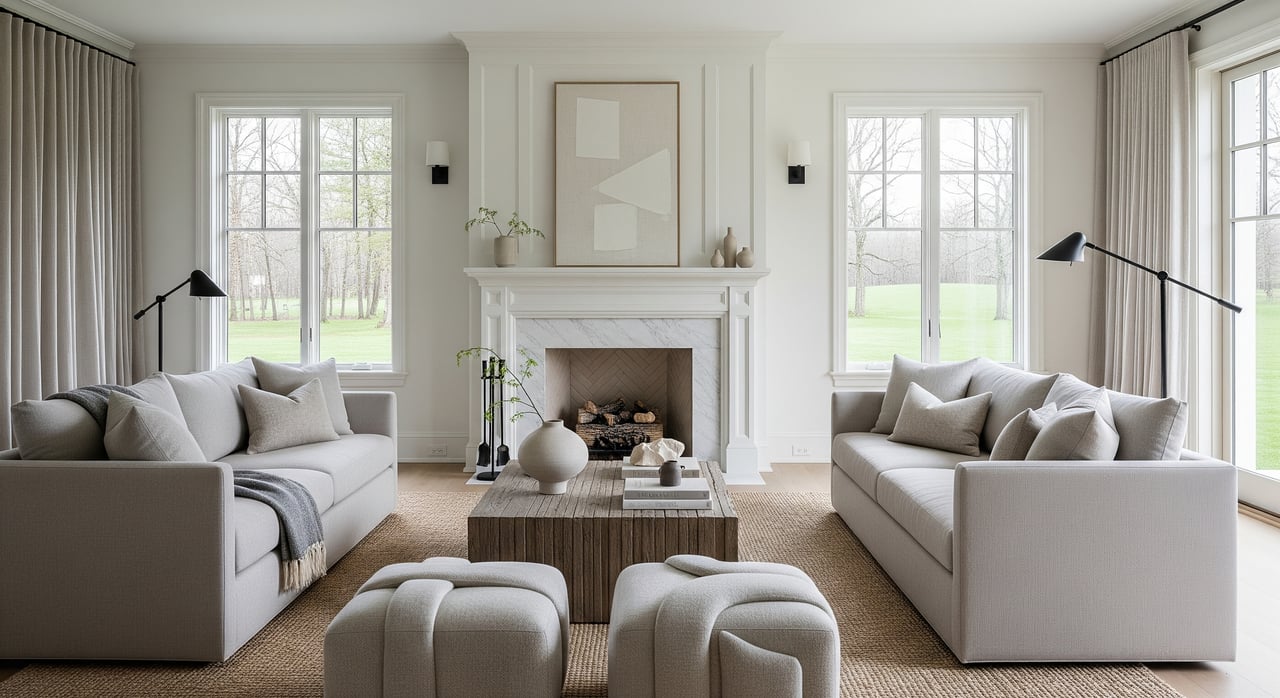
Choose a rug large enough that the front legs of sofas and chairs rest on it. This visually anchors a seating group and reduces the “floating furniture” effect.
Select deeper, wider seating
Opt for larger sofas, sectionals, and armchairs that fill sightlines and create comfortable conversation zones. Show how buyers will use the room, not just walk through it.
Create distinct zones
Very large rooms benefit from multiple purposeful areas. Consider a formal seating area near a fireplace, a casual media corner, and a reading nook. Keep clear circulation paths between zones.
Add height to balance ceilings
Use tall floor lamps, oversized art, and drapery hung near the ceiling line to visually lower very high ceilings. This adds intimacy without reducing grandeur.
Float furniture when it helps flow
Pull seating off the walls to define spaces and show natural pathways. Floating arrangements often photograph better and read as more intentional in person.
Scale accessories up
Big spaces can handle large mirrors, substantial planters, statement lighting, and bold art. Avoid tiny decor that gets lost and clutters the view.
Maximize light and sightlines
Harding homes often sit on wooded lots with beautiful vistas. Your staging should make the most of both interior brightness and outdoor views.
Keep window treatments light
Open drapery for showings and photos. If privacy is needed, choose neutral sheers that allow light. Tailored panels should be proportionate and hung high to emphasize height.
Orient seating toward views
Face key views like gardens, terraces, pools, or specimen trees. From the entry, ensure sightlines pull the eye toward these focal points.
Clear visual clutter
Remove extra furniture, heavy curtains, or tall stacks of decor that block views. Clean sightlines help rooms read larger and more serene.
Layer the lighting
Use ambient lighting with overhead fixtures, task lighting with table or floor lamps, and accent lighting like picture lights. This keeps spaces bright for late-day showings and evening photos.
Maintain windows and landscaping
Clean windows inside and out. Trim shrubs that block key windows, and keep exterior areas that frame the view tidy and well edged.
Elevate curb approach
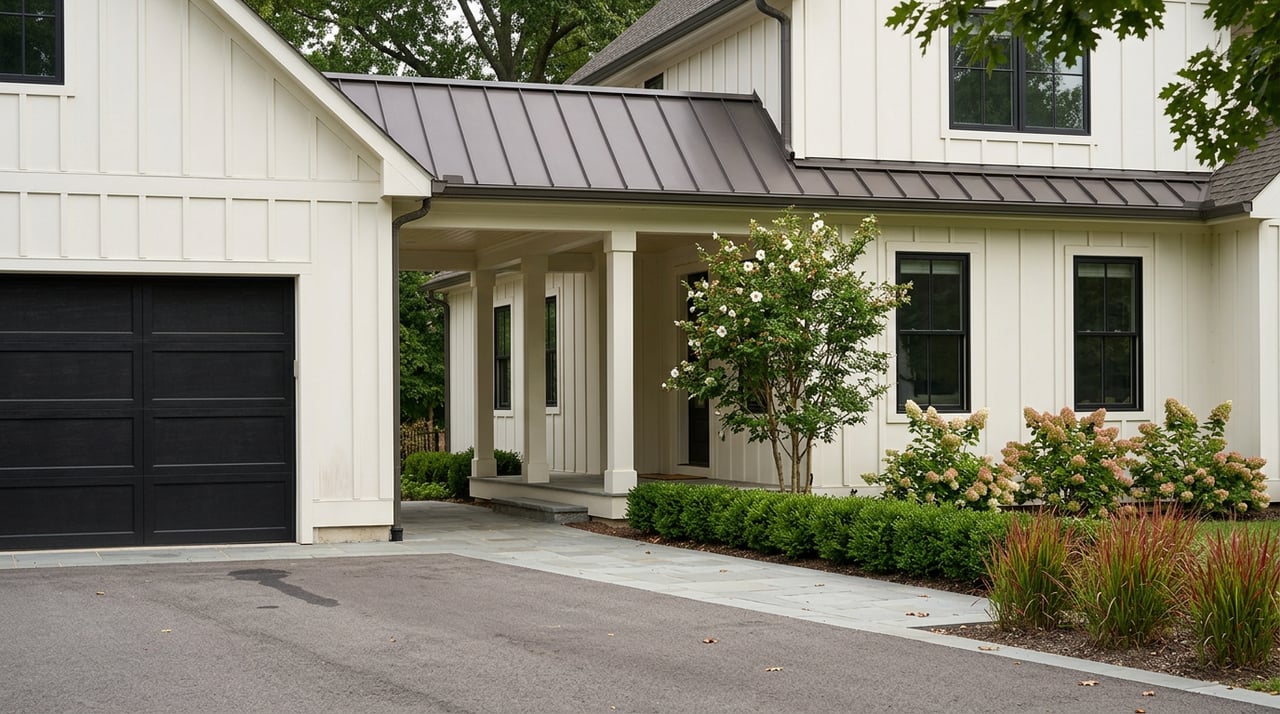
For estate properties, the drive and entry sequence set the tone. Those first 10 to 30 seconds influence how a buyer feels about the entire home.
Refresh driveway and approach
Clear leaves and debris, pressure-wash pavement, and repair cracks. Consider subtle linear lighting or lanterns if appropriate for scale and safety.
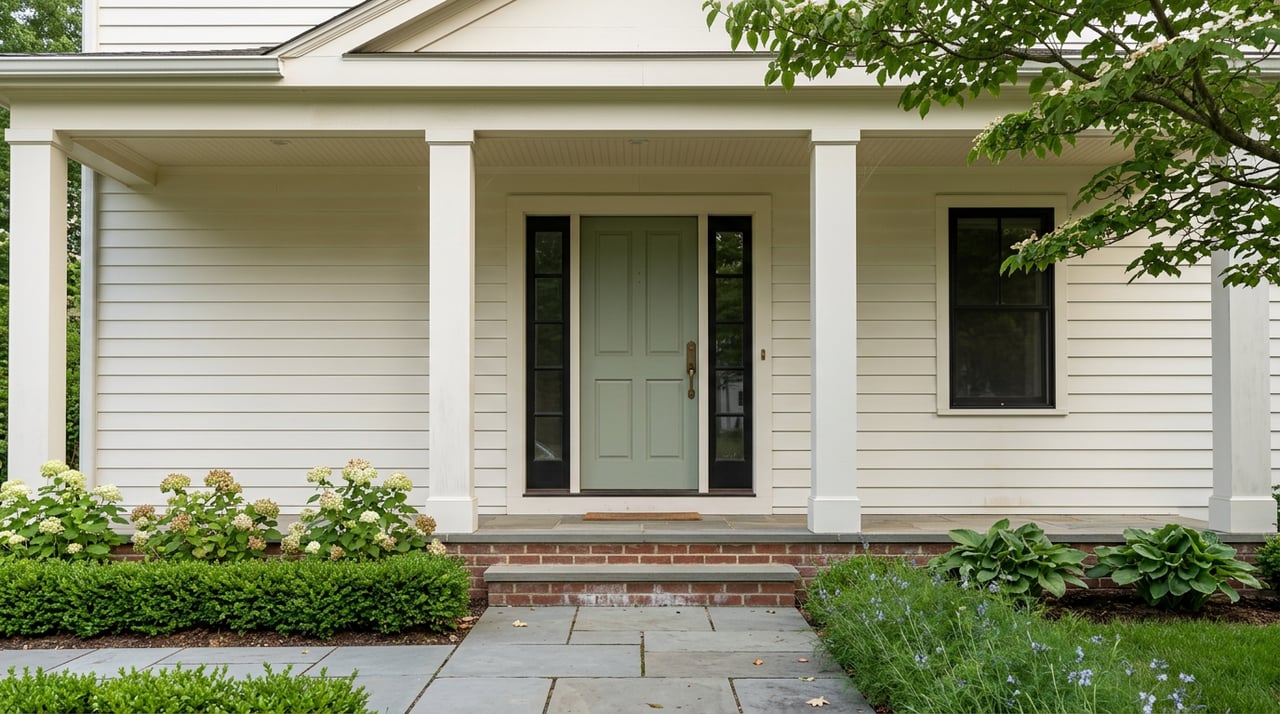
Make the front door a moment
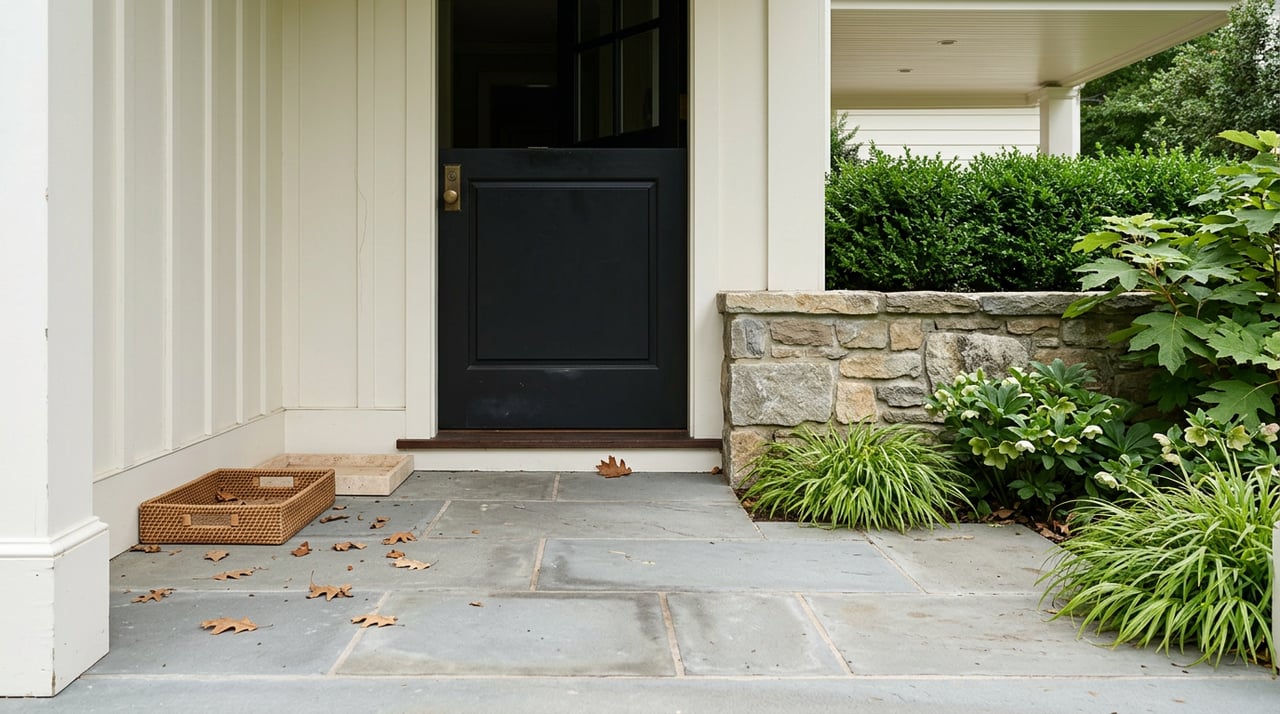
Repaint the door in a neutral or tasteful contrasting color. Clean or replace hardware, lay a new welcome mat, and add proportionate urns or planters. For a long drive, a focal planting or lighting at the entrance can create a sense of arrival.
Tidy landscaping with intention
Edge beds, mulch, and remove dead growth. Emphasize best assets like meadow views, specimen trees, or water features with clean sightlines. Keep exterior signage minimal and tasteful.
Check exterior finishes
Power-wash siding, clean gutters, and polish or replace house numbers and fixtures. Repair porch steps or railing. For stone or brick, confirm mortar is intact and surfaces are clean.
Stage outdoor living areas
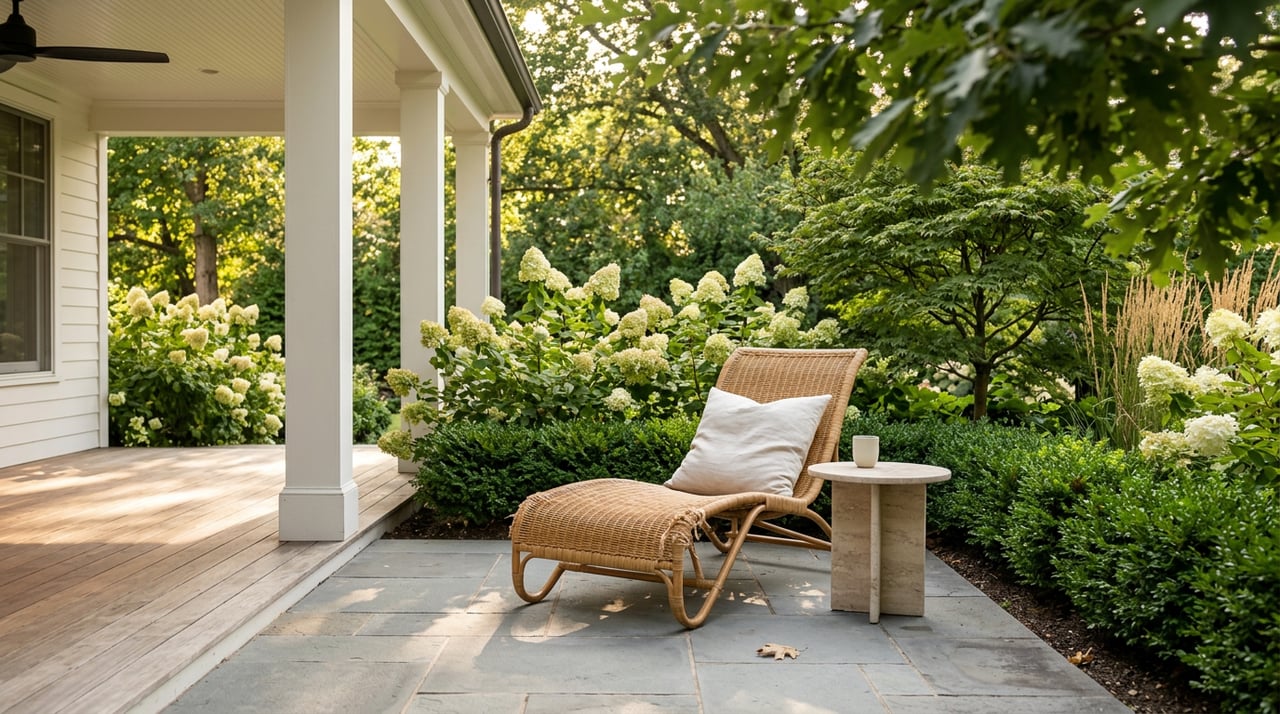
Treat terraces, patios, pool decks, and outdoor kitchens like rooms. Use scale-appropriate seating, umbrellas, a weather-appropriate rug, and simple tabletop settings to imply use and size.
Note: Some neighborhoods may have rules about signage, open houses, or exterior changes. Confirm any local restrictions before planning exterior elements. For general county information, visit Morris County property and tax resources.
Room-by-room priorities
Use this quick guide to stage the areas that influence buyer perception most.
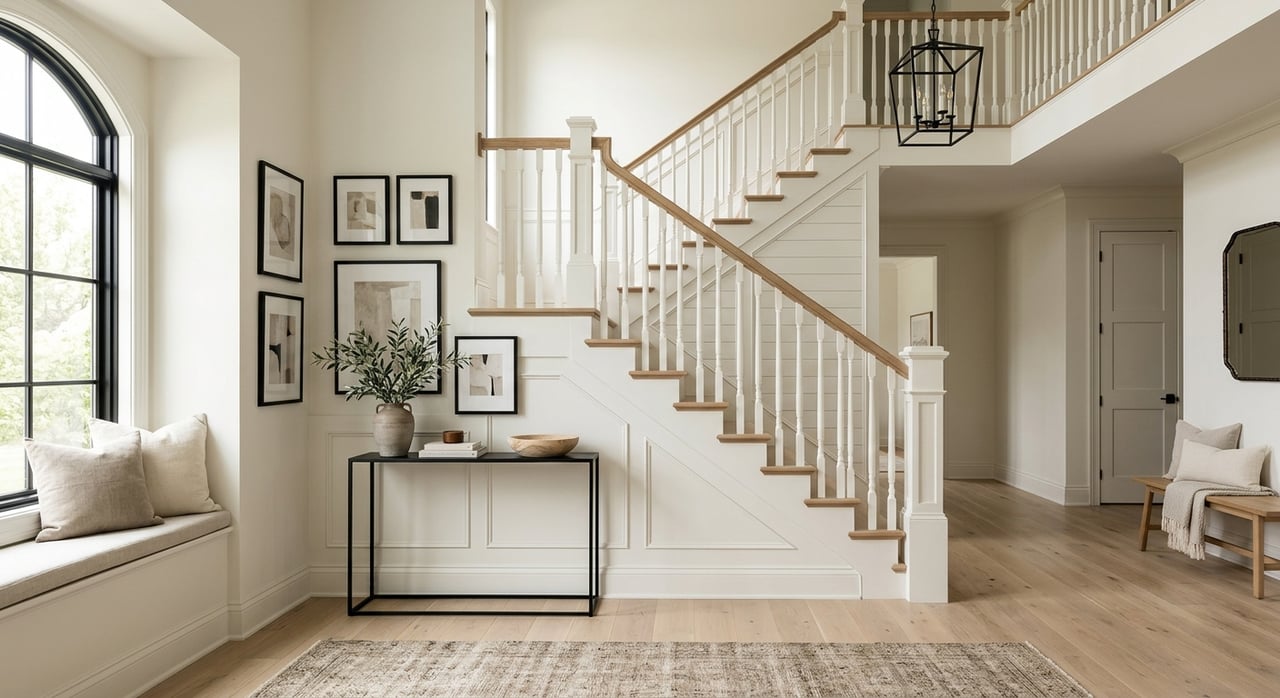
- Grand foyer: Keep clear lines to main living spaces. Add a statement light and a console or bench scaled to the volume.
- Living or great room: Define seating groupings with large rugs and layered lighting. Show flow to the kitchen or terrace.
- Kitchen: Clear countertops except for a few styled pieces. Set island stools that fit the scale and consider a minimal breakfast vignette.
- Dining room: Use a table that matches the room size. Keep a simple, elegant centerpiece and ensure chairs move easily.
- Primary suite: Keep the palette serene and remove personal items. If space allows, add a sitting area to show function.
- Secondary bedrooms: Stage as guest rooms or an office, depending on demand. Highlight closet storage and en-suite baths when applicable.
- Home office: Create an ergonomic setup with proper lighting and closed storage. Buyers value flexible workspace.
- Lower levels and attics: Name the purpose clearly, such as media room, gym, guest suite, or organized storage.
- Specialty spaces: Clean and stage wine rooms, garages, carriage houses, stables, or barns to reflect intended use.
Use a refined palette
A neutral, high-end palette reads best in luxury staging. Layer textures like wool, leather, and linen, and use metallic accents sparingly. In large rooms, oversized art helps balance scale and should complement architectural features. Choose natural materials that suit local architecture, such as wood, stone, and metal. For inspiration on finishes and styling, browse current design and staging trends.
6 to 12 month prep plan
A thoughtful timeline gives projects and landscaping time to shine and avoids last-minute stress.
6 to 12 months out
- Meet with a luxury stager and your listing agent to set a plan and budget.
- Schedule major repairs, roof or structural work, HVAC servicing, and landscaping projects that need a growing season.
- Declutter personal items and remove or store excess furniture.
- Review any permits, community covenants, or HOA rules that could affect exterior changes or signage.
3 to 6 months out
- Refresh interior paint in a neutral palette and complete flooring repairs or refinishing.
- Begin landscaping updates that need time to settle, like new lawn or plantings.
- Book your staging contractor and decide on full, partial, or occupied staging.
2 to 4 weeks out
- Arrange a professional deep clean, window cleaning, and pressure washing.
- Install staged furniture and accessories and check flow for photography.
- Finish landscaping touches and add seasonal plantings.
1 week out
- Style for photos: fresh flowers, polished surfaces, and all lights in working order.
- Remove personal photos, set a comfortable thermostat, and prep for daylight and twilight shoots.
During showings
- Maintain staged condition and use a quick reset checklist after each visit.
Choose staging options
Different situations call for different approaches. Here is what to expect.
- Full staging: Furnish a vacant home to convey scale and lifestyle. Often ideal for large estates.
- Partial staging: Focus on high-impact rooms like the foyer, great room, kitchen, dining, and primary suite when time or budget is limited.
- Occupied staging: Edit and re-arrange owner furniture and add key pieces to improve scale.
- Virtual staging: Useful for some vacant spaces, but clearly disclose virtually staged images and pair them with accurate photos.
Costs vary by region and scope. Expect furniture rental, an install and breakdown fee, accessories, and onsite styling. Obtain multiple quotes, confirm insurance, plan for deliveries on long driveways, and check lead times for specialty items.
Plan photos and disclosure
Luxury homes benefit from a visual plan that matches the staging.
- Interiors: Capture daylight images with wide angles that preserve proportion.
- Exteriors: Add twilight shots to show lighting, long drives, and the entry sequence.
- Drone: Use aerials for lot context, gardens, pools, and outbuildings on acreage.
- Virtual tours: Offer 3D walkthroughs so distant buyers can understand scale and flow.
- Transparency: Do not over-edit or hide defects. Disclose when images are virtually staged and note when furnishings are not included in the sale.
Quick checklist for Harding estates
- Exterior: Pressure-wash, repair walkways, update lighting, trim trees and hedges, and stage entry urns.
- Foyer: Declutter and add a statement light and large-scale console or bench.
- Great room: Large rugs, proportionate seating, layered lighting, and clear sightlines to views or terraces.
- Kitchen and dining: Clear counters, scale-appropriate island seating, and a simple dining vignette.
- Primary suite: Calm palette, staged sitting area, and tidy closets.
- Photos: Daylight plus twilight, drone as appropriate, and a 3D tour.
Ready to turn preparation into results? With staging, professional photography, and a tailored marketing plan, you can attract qualified buyers and maximize your outcome. For a customized strategy and a seamless process, connect with Hope Salamone Homes.
FAQs
When should I hire a stager for a Harding estate?
- Bring a stager in 6 to 12 months before listing to sequence repairs, landscaping, editing, and rentals for the best impact.
Do I need to empty my home to stage it well?
- Not always; occupied staging can work, but very large or underfurnished rooms often benefit from full staging to show proper scale.
How can I stage outdoor areas in winter?
- Focus on cleanliness, clear sightlines, and outdoor lighting, and use seasonally appropriate soft furnishings; schedule exterior photos for peak months if timing allows.
Which rooms influence luxury buyers most?
- Kitchens, primary suites, great rooms, and outdoor living areas usually drive first impressions and perceived value.
Do local rules affect signage or open houses?
- Some neighborhoods may have restrictions on signage or traffic; review community covenants and confirm details before planning.
What rug size works in a large great room?
- Choose a rug big enough that the front legs of sofas and chairs can sit on it so the seating group feels anchored and cohesive.