Relocating is stressful enough without trying to manage an estate sale from miles away. If you are selling a home in Harding Township while preparing for a move, the challenge is often less about finding demand and more about handling timing, property prep, vendors, paperwork, and closing details without letting anything slip. The good news is that with the right plan, you can stay organized, protect your timeline, and present your property in a way that reflects its value. Let’s dive in.
Why Harding Township sales need extra planning
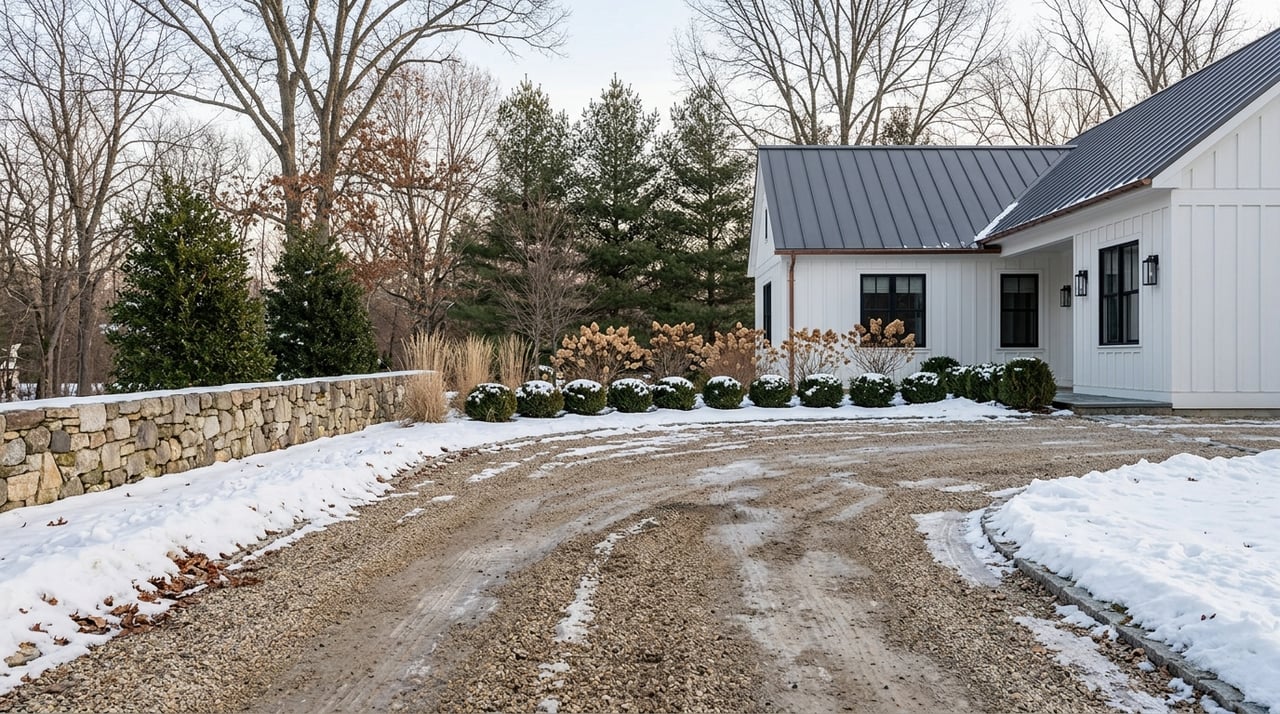
Harding Township is not a one-size-fits-all market. It is a low-density rural residential community where many homes sit on large lots, and the township’s planning framework emphasizes preserving rural character and open space.
That matters when you sell. Many single-family homes in the R-1 zone rely on individual septic systems and private potable-water systems, which can add extra prep, testing, and coordination compared with a more typical suburban listing.
Recent Redfin data shows a median sale price of about $1.29 million, around 21 days on market, and sales averaging 6.9% above list price. Because only eight homes sold in the recent reporting period, those numbers are best used as directional rather than exact, but they still suggest that well-prepared homes can move quickly.
Set your listing date after prep
One of the biggest mistakes in a relocation sale is listing too early. In a market like Harding Township, where presentation and first impressions carry real weight, your home should go live only after the heavy lifting is complete.
That means decluttering, repairs, landscaping, photography, and showing access should already be in place. Since online photos are often a buyer’s first showing, going live before the property is truly ready can weaken momentum right from the start.
If your move timeline feels tight, it can be tempting to rush. In most cases, a better approach is to build your schedule backward from the ideal listing date so you can prepare with less pressure and more control.
Focus on seller prep, not decorating
When you are preparing an estate property, the goal is not to redesign the home for your taste. The goal is to help buyers clearly see the space, its condition, and how the property lives.
The National Association of Realtors reports that the top seller recommendations are decluttering, cleaning the entire home, and improving curb appeal. Their 2025 research found that 91% of sellers’ agents recommended decluttering, 88% recommended full cleaning, and 77% recommended curb appeal improvements.
For larger homes, this matters even more because buyers often make a fast decision online about whether a property is worth visiting. A polished first impression can help your listing stand out before a showing is ever scheduled.
Prioritize the most important spaces
NAR’s staging research found that the rooms most often staged were the living room, primary bedroom, dining room, and kitchen. Those are also the rooms buyers tend to study most closely in photos and video.
If your home is partially vacant or you have already moved some furniture out, visual consistency becomes especially important. Virtual staging can help buyers understand empty rooms, but any material alterations should be disclosed so the marketing stays accurate and clear.
Use a simple estate-home checklist
A practical prep plan usually includes:
- removing excess furniture, personal photos, and valuables
- deep-cleaning every room, including garages and utility areas
- refreshing paint and visible wear where needed
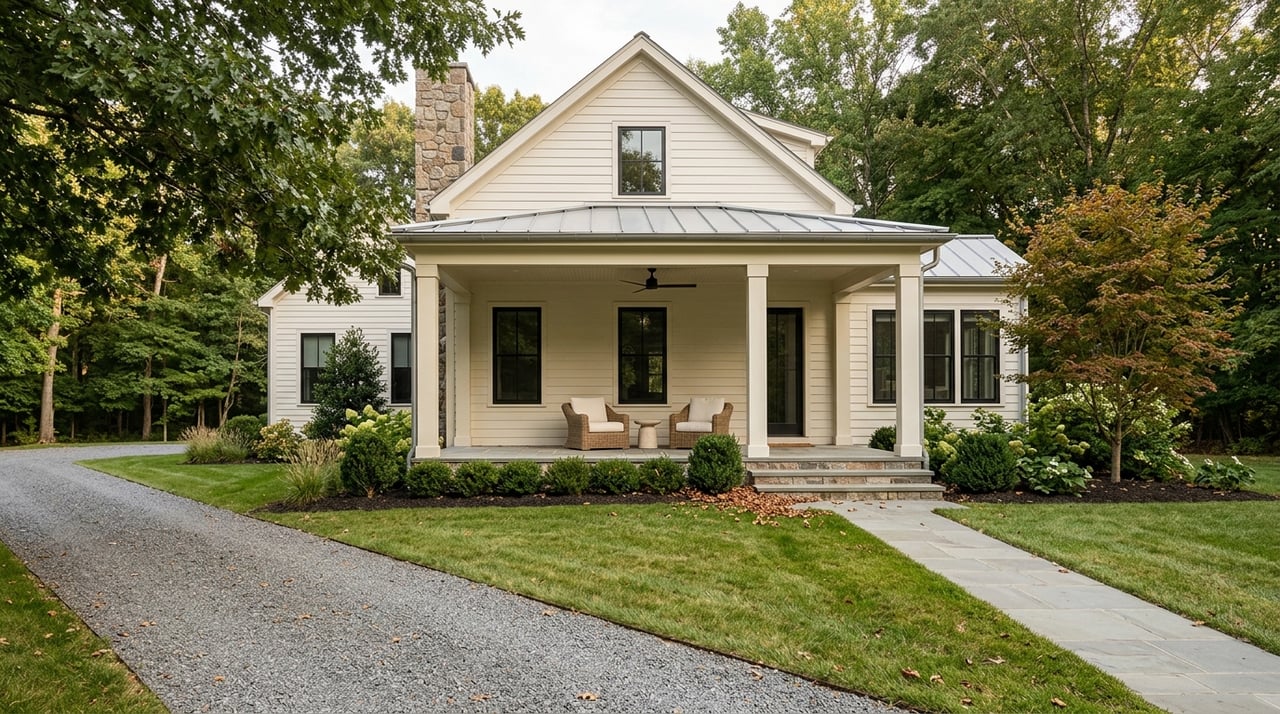
- sharpening curb appeal with landscaping, pressure washing, and exterior touch-ups
- scheduling professional photography and video only after everything is ready
In a relocation sale, every step should support the next one. Clean first, repair second, stage third, then photograph.
Remote selling works best with one local coordinator
If you are moving out of the area, too many moving parts can create delays fast. The most efficient approach is usually to have one local point person coordinating access, vendors, and scheduling.
That person can help manage cleaners, landscapers, painters, stagers, handymen, photographers, and any well or septic professionals involved. In Harding Township, where homes may include acreage and more complex exterior maintenance, this kind of local oversight is especially valuable.
For many sellers, the real benefit is not just convenience. It is reducing duplicate trips, cutting down on small decisions, and keeping the process moving without requiring you to answer every operational question in real time.
Keep vacant property monitored
If the property will be vacant during your move, it helps to think about security and document monitoring early. Morris County offers a free Property Alert Service that can notify owners by email when a document affecting a property, or a registered party name, is recorded in the county clerk’s office.
For absentee owners, that added visibility can be a helpful safeguard while the home is on the market or waiting to close. It is a simple step, but one that fits well into a relocation checklist.
Keep contract and closing logistics moving
Once your home is under contract, long-distance sellers often run into stress around signing and timing. In New Jersey, residential contracts typically include a 3-business-day attorney review period, so it is smart to have your attorney and sale plan lined up early.
The state’s consumer guidance says most closings are face-to-face meetings involving the buyer, seller, agents, lawyers, a title clerk, and a lender representative. If you expect to be out of state by closing, your attorney, title company, and listing agent should know that as early as possible.
New Jersey permits remote and electronic notarizations, and e-signatures and electronic notarization are permitted for deeds transferring real property. Even so, the exact signing process should be confirmed early so there are no surprises right before closing.
Recording details matter
Morris County recording rules should also be part of the plan. The Morris County Clerk records deeds, mortgages, liens, maps, and related documents, and the office offers e-recording through approved partners.
For a relocation seller, that means confirming which documents can be signed electronically, which may still require specific notarization steps, and what the title company needs to complete recording without delay. This is one of those areas where early coordination can prevent last-minute scrambling.
Plan for transfer fees and tax paperwork
In Harding Township, many estate sales will cross the $1 million mark, so seller closing costs deserve early attention. New Jersey charges a Realty Transfer Fee on the seller for recording a deed, and the state also imposes a graduated percent fee on transfers over $1 million, ranging from 1% to 3.5% depending on total consideration.
Because local sale prices often sit above that threshold, these costs should be part of your planning from the beginning. Understanding them early can help you estimate proceeds more accurately and avoid surprises later.
Watch for nonresident rules
If you will be a New Jersey nonresident by the time your sale closes, GIT/REP rules may apply. According to the New Jersey Division of Taxation, a nonresident individual, estate, or trust generally must complete GIT/REP-1 or GIT/REP-2 to record the deed unless a GIT/REP-3 assurance applies.
In more complex cases, the Division recommends contacting the GIT/REP Unit at least two weeks before closing. The county clerk will not accept a deed without the proper GIT/REP form when one is required, so this is not a detail to leave until the end.
Check local tax status early
Harding Township’s tax collector also serves as the municipal tax search officer, and municipal lien searches are handled through that office. The township states that taxes and sewer charges are billed and collected by the Tax Collector, and delinquent taxes begin accruing interest after the 10th day of February, May, August, and November.
For a relocation seller, it is wise to confirm tax status, mailing address details, and lien-search timing well before closing. A simple administrative issue can slow down an otherwise smooth transaction if it is caught too late.
Do not overlook well testing
If your property has a private potable-water well, there is another major timing issue to plan for. Under New Jersey’s Private Well Testing Act, closing of title may not occur unless both buyer and seller have received and reviewed the test results and signed the required certification.
Because Harding Township includes many homes with private potable-water and septic systems, this can be one of the most important local items in your sale timeline. If your home falls into that category, it is smart to ask about testing requirements early rather than after you are already under a closing deadline.
A smoother relocation sale comes down to sequencing
Most Harding Township relocation sales do not get off track because of weak buyer interest. They get off track because prep starts too late, vendors are not coordinated, testing is delayed, or tax and recording paperwork is treated as an afterthought.
A strong plan usually follows a simple sequence:
- prepare the home fully before listing
- coordinate vendors through one local point person
- confirm legal, title, and signing logistics early
- address transfer fees, tax searches, and nonresident paperwork in advance
- complete any required well-related steps on time
That kind of structure can make a major difference when you are trying to balance a home sale and a move at the same time.
If you are preparing to sell an estate property in Harding Township, you will likely benefit from a process that is both hands-on and highly organized. For thoughtful guidance, premium presentation, and coordinated local execution, connect with Hope Salamone Homes.
FAQs
Do I need to stay in Harding Township to sell my estate home?
- No. A relocation sale can be managed remotely, especially when one local coordinator handles vendors, property access, and day-to-day logistics.
Will I need to return to New Jersey for my Harding Township closing?
- Not always. New Jersey permits remote and electronic notarizations for deeds, but your attorney and title company should confirm the exact signing requirements early.
What should I do before listing a Harding Township estate property?
- Complete decluttering, cleaning, repairs, landscaping, and professional photography before the home goes live so the property shows at its best from day one.
Are transfer taxes important when selling a Harding Township home?
- Yes. New Jersey charges a seller-paid Realty Transfer Fee, and sales over $1 million may also trigger a graduated percent fee, so those costs should be reviewed early.
Does a Harding Township home with a private well need special testing?
- It may. If the property has a private potable-water well, the Private Well Testing Act can require test results and certification before closing can occur.