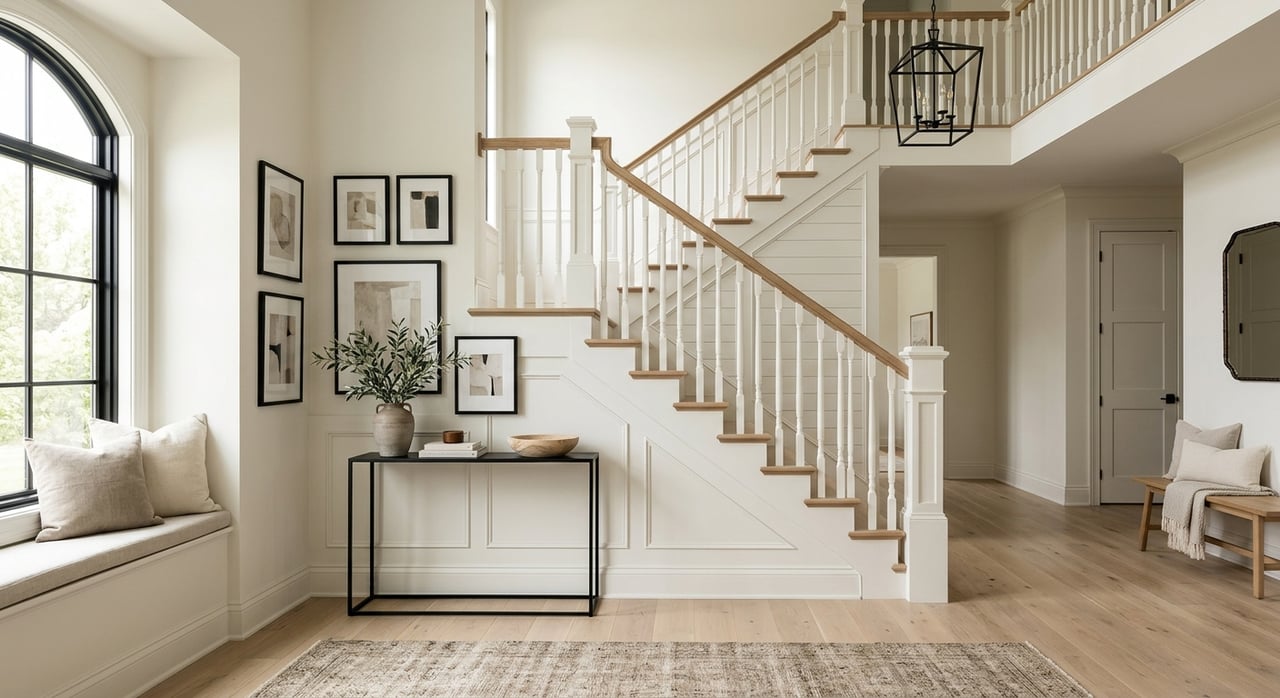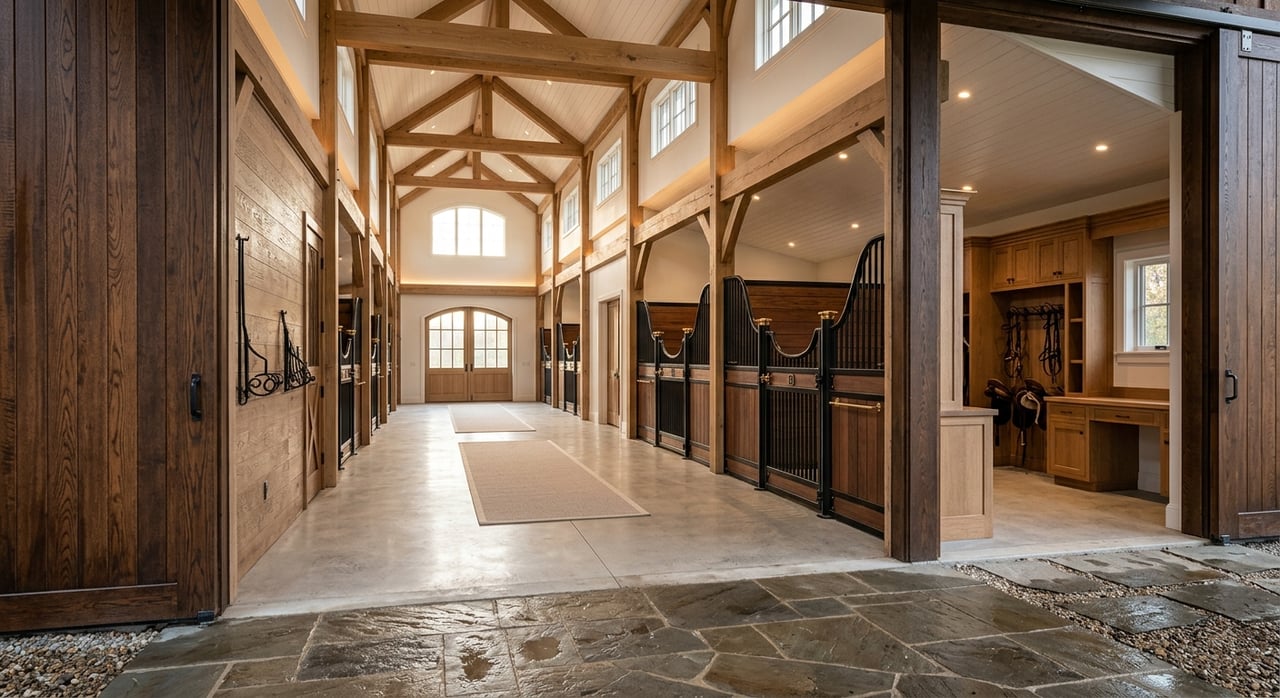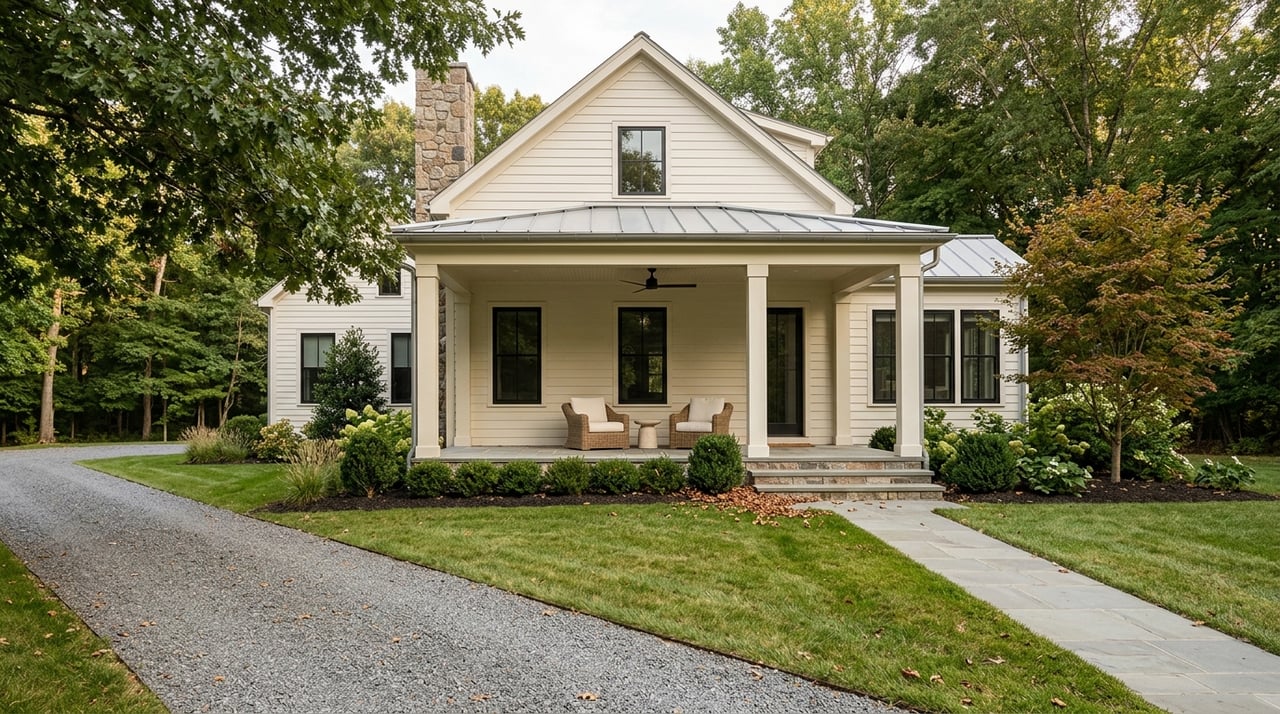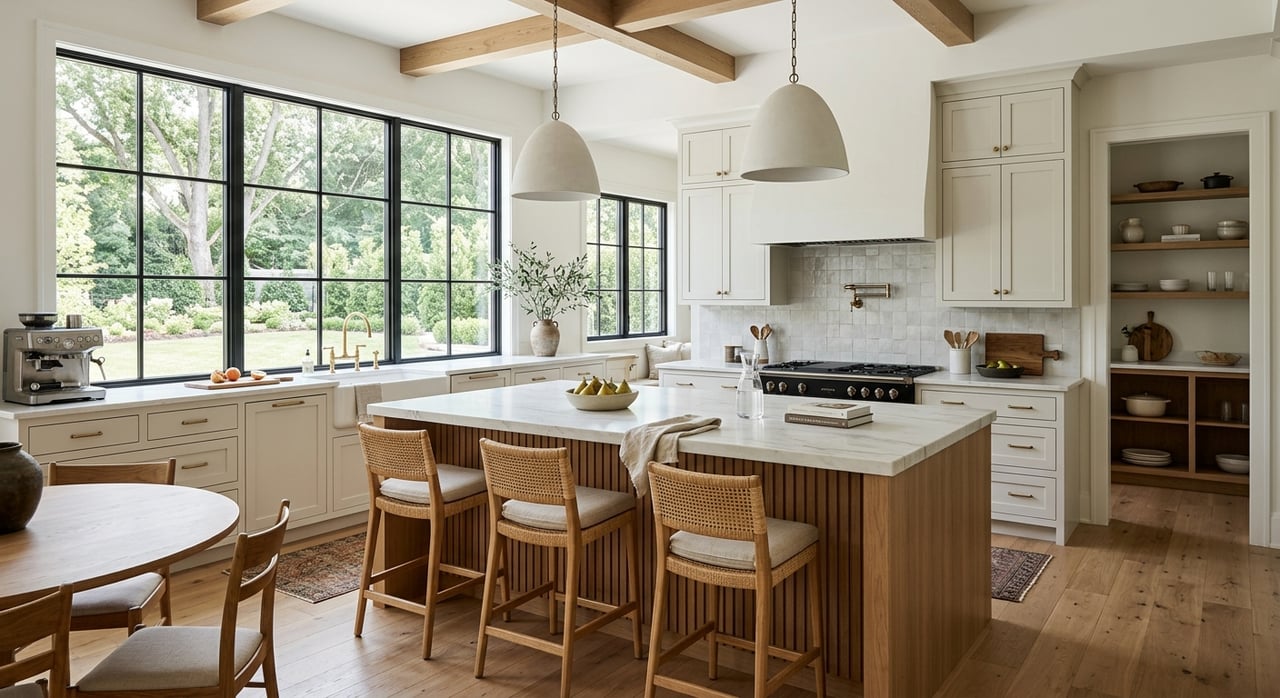
If you are dreaming about more land, more privacy, and a true country-estate setting, Harding Township can feel like a rare find in North Jersey. But owning acreage here is not the same as owning a larger version of a typical suburban lot. From wells and septic systems to tree rules, drainage, and permitting, there is more to understand before you buy. Let’s dive in.
Why Harding acreage feels different
Harding Township has a very distinct land-use pattern, and that shapes the ownership experience from day one. According to the township’s Open Space & Recreation Plan, more than 6,200 acres are preserved, which equals 47.1% of the township.
That preserved land helps explain why Harding feels rural, private, and open even though it sits within reach of major suburban hubs. The township specifically identifies dark skies, curving roads without curbs, bridle trails, farms, and open space as part of the character residents value.
Large preserved areas also help buffer development around town. The township points to the Great Swamp, Jockey Hollow in Morristown National Historical Park, Lewis Morris Park, and Loantaka Brook Reservation as major open-space edges that shape the landscape.
Zoning reinforces that estate-style feel. In the RR and R-1 residential districts, the township’s 2026 zoning schedule shows a 5-acre minimum lot size, 300-foot minimum frontage, and 100-foot front and rear setbacks.
In practical terms, acreage in Harding often comes with a stronger sense of separation between homes, longer driveways, more trees, and more land systems to maintain. That can be a major benefit if you want space and privacy, but it also means your due diligence needs to go deeper.
What daily ownership usually includes
One of the biggest differences in Harding is infrastructure. Township planning documents say very little land is in the sewer service area, and most properties rely on individual septic systems.
Water service also varies by property. The township’s environmental materials say most residents are served by private wells, while a smaller portion receives water from the Southeast Morris County Municipal Utilities Authority.
That means many homeowners are managing core systems themselves rather than relying on standard town utilities. If a property has a private well, you are not just paying a utility bill. You are also responsible for understanding testing, maintenance, and water quality.
The New Jersey Department of Environmental Protection says private well owners should test regularly. It also states that under the Private Well Testing Act, a property with a potable private well must be tested when it is sold, and the results must be reviewed by both buyer and seller before closing.
Septic ownership comes with its own responsibilities. Harding’s health department administers septic and well regulations, and it requires septic pump-out permits to be obtained by the contractor.
For general maintenance, a septic system should be serviced every one to three years by a septic service professional. Good care also starts with a clear maintenance schedule and knowing what should and should not go into the system.
Why wells and septic matter before closing
When you are buying acreage in Harding Township, utility questions should move to the top of your checklist early. They affect maintenance, budgeting, inspections, and how you plan for future improvements.
A few practical questions can make a big difference:
- Is the home on a private well or utility water service?
- Is the property served by a septic system?
- Is there a septic as-built available?
- Are there records of recent pump-outs, repairs, or inspections?
- Has the private well been tested recently?
- Is any part of the parcel in the sewer service area?
These are not small details. They shape how the property functions day to day and what responsibilities you take on as the next owner.
Trees, privacy, and the rural landscape
Many buyers love Harding for its mature trees, natural screening, and scenic setting. What is important to know is that those features are not just aesthetic. They are also part of the township’s environmental and land-use priorities.
Harding’s tree-conservation ordinance says unmanaged tree removal can increase runoff, erosion, dust, and loss of privacy. The ordinance is designed to maintain the township’s rural landscape and protect natural resources.
This matters because tree work may involve more regulation than buyers expect. The ordinance applies township-wide, and in the R-1 and RR zones, there is a tree conservation area along perimeter property lines where trees 6 inches or greater in diameter generally may not be removed without a permit.
In those zones, the conservation area extends 50 feet from any road and 25 feet from other property lines. If you are thinking about opening up views, changing a driveway approach, or reshaping the landscape near the property edges, permit review may come into play.
The process can involve an application, site inspection, and permit display. The township can also require replacement trees, and violations can carry a $2,500 fine per tree.
Wildlife and natural conditions are part of the setting
If you buy acreage in Harding, wildlife and natural surroundings are part of the package. The township’s planning materials prioritize preserving land for wildlife habitat, scenic vistas, and rural character.
That context helps set expectations. On a large parcel, you are not just owning a home site. You are often owning a piece of a broader environmental setting connected to the Great Swamp watershed and other protected lands.
This can be one of the most appealing parts of ownership here. It can also affect how you think about landscaping, fencing, drainage, and long-term outdoor maintenance.
Stormwater and drainage deserve attention
On a multi-acre property, drainage is easy to overlook during a showing and expensive to ignore after closing. Harding describes the township as an environmentally sensitive area located almost entirely in the Great Swamp watershed, with policies aimed at limiting runoff and pressure on groundwater.
The township’s stormwater guidance notes that runoff can carry soil, animal waste, salt, pesticides, fertilizers, oil, and debris into waterways. That is why property care practices matter on acreage, especially when you have long driveways, open lawn areas, wooded sections, and larger roof areas.
The township specifically recommends using fertilizer sparingly, avoiding pesticides, and directing downspouts onto grassy areas away from paved surfaces. It also points residents to local ordinances covering yard waste, pet waste, private salt storage, and tree conservation.
For buyers, the bigger point is simple: land management in Harding is not only about appearance. It is also about protecting the site, staying ahead of drainage issues, and following local requirements.
Improvement projects can be more complex
Acreage can create exciting possibilities, but improvement work often has more moving parts than expected. Harding’s zoning code says accessory buildings and structures, including recreation structures, pools, decks, fences, and energy-related equipment, have location rules.
The code also says new roofed areas, patios, and recreation courts can trigger dry-well requirements. In the Great Swamp Watershed Overlay Zone, residential site work must follow special area standards and New Jersey Residential Site Improvement Standards.
Lot coverage also matters on large parcels. The township’s zoning schedule shows that coverage calculations can include driveways, parking areas, walks, patios, swimming pools, decks, and concrete equipment pads.
That means a project is not only about where it fits visually on the lot. It may also affect drainage design, permit review, engineering needs, and long-term maintenance costs.
Build the right vendor team
Owning acreage in Harding usually requires a broader support network than owning a standard suburban home. Depending on the property, you may need help from a landscaper, arborist or tree contractor, septic professional, well-testing lab, excavation contractor, surveyor, or civil engineer.
That does not mean every property is complicated. It means the best ownership experience often comes from being proactive and working with the right professionals when questions come up.
Harding’s own forms and ordinances show formal processes for septic system design, septic repair, well installation or repair, and tree removal. A strong local vendor bench can make routine maintenance and future planning much smoother.
How to budget for acreage ownership
The costs of acreage ownership are often less about one major surprise and more about steady, year-round care. Compared with a smaller lot, you may have more recurring outdoor and infrastructure expenses.
Typical budgeting categories include:
- Landscaping and seasonal cleanup
- Leaf and brush removal
- Snow plowing and salt management
- Septic pumping and inspections
- Annual well testing
- Tree pruning or replacement
- Drainage corrections or site work
- Permit or engineering costs for certain improvements
A realistic budget helps you enjoy the property instead of feeling caught off guard by it. It also gives you a clearer picture of what “more land” really means in monthly and annual terms.
Smart questions to ask before you buy
When you are evaluating acreage in Harding Township, the most helpful questions are usually very practical. They can reveal how the property functions now and how flexible it may be in the future.
Consider asking for:
- Current survey documents
- Septic as-built or septic records
- Private well testing records, if applicable
- Prior tree-removal permits
- Information on whether any part of the parcel is in the Great Swamp Watershed Overlay Zone
- Information on water source and sewer service status
These questions can help you understand maintenance needs, possible permitting paths, and whether your plans for the property align with township rules.
Why local guidance matters in Harding
Acreage purchases are often more layered than they first appear. A home can be beautiful and still raise important questions about drainage, utility systems, tree restrictions, or future site work.
That is where local insight matters. When you work with an advisor who understands Harding’s land patterns, permit framework, and estate-property expectations, you can move forward with more clarity and fewer surprises.
If you are considering a move into Harding Township or preparing to sell a multi-acre property, Hope Salamone Homes can help you evaluate the details that matter and plan your next step with confidence.
FAQs
What is unique about owning acreage in Harding Township?
- Harding Township has a rural, estate-style character shaped by large-lot zoning, preserved open space, private wells, septic systems, and environmental protections that can affect maintenance and improvements.
Do most Harding Township acreage homes have septic systems?
- Yes. Township planning documents say very little land is in the sewer service area, so most properties rely on individual septic systems.
Do Harding Township homes on acreage usually have private wells?
- Many do. Township environmental materials say most residents are served by private wells, while a smaller portion receives water from the Southeast Morris County Municipal Utilities Authority.
Are there tree removal rules in Harding Township?
- Yes. Harding has a tree-conservation ordinance that can require permits for removing certain trees, especially within conservation areas along roads and property lines in the R-1 and RR zones.
Why does stormwater matter on a Harding Township property?
- Harding is located almost entirely in the Great Swamp watershed, and runoff management is important because stormwater can carry pollutants into local waterways and affect drainage on your property.
What should buyers ask before purchasing acreage in Harding Township?
- Buyers should ask about the water source, septic system, well testing, septic records, survey availability, prior tree permits, and whether any portion of the land falls within the Great Swamp Watershed Overlay Zone or sewer service area.